Finally, there is a serious AI hardware, a polaroid that can write poems.

In 2016, the novel "The Day of Computer Writing Novel" written by artificial intelligence successfully passed the primary election of the Japanese "hoshi shinichi Prize for Literature"; After studying Bach deeply, DeepBach AI developed by Sony created Bach-like music, which deceived more than half of the 1600 listeners and made them think that this was Bach’s own creation.

Nowadays, artificial intelligence has been able to generate videos that are difficult to distinguish between true and false, and very artistic images.

Artificial intelligence is challenging the fields of literature, music, painting, film and television, etc., which originally belonged to artistic creation.When it is difficult for art to become a moat against AI, many people think that poetry may be the fortress that human beings were finally conquered in the intelligent age..

Poetry is regarded as the original origin of human literature. In the human society where there are no words, poetry has spread in civilization in the form of spoken language. It tests rhythm and rhythm in form, imagination and conciseness in expression, and it requires the expresser to combine experience, observation and consciousness. After all, the creation of poetry depends on the unique synaesthesia of human beings, so we can ask ChatGPT to write a poem about the moon, which will only be general, and it will not be able to see the unique moon with human beings at that time.

But,If ChatGPT has the ability to "see" the moon, give ititThinking gives observation??

Based on this idea, two designers and developers, Kelin Carolyn Zhang and Ryan Mather, churned out a device: let the camera "see", let artificial intelligence "feel", and use technical means to realize the most difficult expression in literature.

This is the Poetry Camera..

The core of the poetry camera is equipped with raspberry pie, a microcomputer only the size of a credit card, which can image and retrieve the API of GPT-4, thus opening up the "eyes" and "brain" of the device.

Hold up the poetry camera and take a photo casually.Computer vision algorithms will begin to analyze visual data, and artificial intelligence models will begin to interpret images, identify key elements, colors, environments, tone emotions and other information in images, and generate poems.And print it out in a way similar to a supermarket cashier’s note, just like polaroid "develops" a photo.

Photographing a poem can’t produce a film, which is more exciting and surprising than standing. What kind of poetry can it produce without looking at the publicity and the effect?

Source: TechCrunch

Some users photographed themselves playing with their mobile phones while drinking coffee at home in the morning. The creation of the poetry camera is:

Behind the camera, one person adjusts his sight,

Pixel space in the square range.

……

Sunlight penetrates the faded tulle,

In his hand, warm coffee circulates.

Conversation comes out, across the virtual boundary,

His reflection is a mirror image and appears on the screen.

On the bookshelf, the books are tilted and chattered silently.

Lush plants are the only life.

Wearing glasses, home became his calm batter,

In this wall, his world is scattered.

On an early morning in April 2024,

A new normal, quietly worn out.

@poetry.camera

It is not difficult to see that even after simple translation, the words it generates still have the unique "image sense" of poetry. The original text of the poetry camera is more obviously grammatically "deliberately subtle", for example, every paragraph is rhymed, such as lens, gazes, space, place and race in the first paragraph, and shears, steers, frontier and appends in the second paragraph. Poetic words are also used in words, such as writing morning as morning, just like writing "morning" as "morning" in Chinese.

Image source: TechCrunch

Another demonstration is to take a photo of the ceiling of the New York Public Library, which will interpret and create:

"Dance of shadows on the ceiling,

Like gold inlaid wood,

Deceived the eyes with the spring sky.

Shibei and Muliangxia

Stay in the station "

The two developers said that due to the open source nature of the poetry camera, users can actually change the source code according to their personal preferences, reprogram and choose different poetry forms, which are not limited to modern free verse, but also Japanese haiku or seven-character quatrains. Later, users may be given different models to choose from, such as changing from GPT-4 to Claude who is better at understanding words and semantics, or Dragonfly who is better at writing stories.

Two developers said "just want to enjoy the fun of technology" | Source: Poetry Camera

And the poetry camera will not be saved in any digital way.Users can’t see what the camera has taken, and they can’t copy and paste the text directly. If they want to keep a copy, they can only pick up the phone and take a picture of this poem.. Because the two developers believe that apart from technical problems (requiring servers and cloud platforms) and privacy issues, the instantaneity of poetry adds extra meaning to it, and the printed "poem strips" are instantly captured, randomly generated and unique entities exist.

At the moment when the screen dominates our daily life, this design of poetry camera presents the vision in a poetic and physical way, adding a touch of simulated romance to it besides numbers.

The idea of "taking pictures of what you see and letting the camera generate poems" is not only creative, but also seems to be quite difficult to realize? But in fact, you and I can both make a poetry camera.

Poetry camera is still in the stage of an "art project", and the two developers have no plans for large-scale commercialization yet. They just came up with the idea of a poetry camera and churned out a hardware that can realize the idea. The software and hardware they used are open source, so the two developers chose to make the detailed production process public on the website to encourage more users to DIY their own poetry cameras.

The core of the poetry camera is the micro-card computer Raspberry Pie, with some common accessories, plus the camera module of Raspberry Pie, a mini thermal printer, six batteries and a button.

The official sent the detailed DIY tutorial to Github | Source: Poetry Camera GitHub

The generation of poems needs to be matched with the API key of ChatGPT-4. When the shutter is pressed, the script will be triggered, and the collected pictures will be sent to GPT-4 to create a poem, and finally printed on the thermal receipt printer.

The two developers have written the script of the whole process. As long as they follow the detailed steps given by them step by step, they don’t need to be able to program and print in 3D, and a poetry camera can be built in the paper shell.

Debugging machine for two developers | Source: flomerboy

If Jobs believed in the "crossroads between technology and humanity" and made him create a digital product with great aesthetic feeling, then the poetry camera is an innovation in interactive form, giving us another possibility of interaction between technology and reality, breaking through boundaries, creating new forms of expression, and even further stimulating human observation and imagination in reverse.

This is also the philosophy of the two developers:Technology should be integrated into life, so that we can better appreciate daily life, instead of squeezing human living space..

Kelin Carolyn Zhan, the co-founder, said frankly the significance of the poetry camera: "For me, it is still art, it is about expression. Poetry camera is a tool to shape the world we want to see, which is also a world where people can play with new technologies: artificial intelligence is not all bad luck and pessimism, nor is it just to imitate human beings in a deeper, faster and worse way, but to create brand-new tools with new technologies, and then let the tools bring out the children in human hearts again. For this project, it’s not about making money-it’s about making those naive miracles possible again. 」

But beyond creativity, we have to wonder: the poems generated by GPT-4 are already in good shape, so is it only a matter of time before we surpass human beings in poetry creation?

When we look at the poems written by the poetry camera from the perspective of appreciation, we can feel the difference between artificial intelligence and poets’ poems. The poems written by artificial intelligence have more obvious "description" and "order", and the words are more coherent, such as "sunlight through faded gauze" and "shadow dance on the ceiling", which is more like describing a scene with elegant words, which lacks the sense of abstraction and the beauty of imagery that poetry is difficult to describe.

Just like the poetry publishing club in the GPT era, what is the significance and value of poetry? Mentioned in ","The appearance of GPT is a change of text order, which omits the concepts of world and author, and adds standardization and numerical algorithm in the middle, but it can’t imitate the image of poetry.

Modern Poetry Written by Poet Xia Yu | Source: Yu Xia

The poet Ouyang Jianghe once said in an interview that "the vastness behind writing is human life and world outlook. These include the touch of life, the sublimation of life, the pain of life, the fear of life, the darkness of life, the love of life, the stupidity of life and the limitations of life. But artificial intelligence can’t have life, artificial intelligence is too smart, it has no pain, no sense of fragility and fear of life, and poetry is the product of these. Without such a source, it is meaningless to leave only beautiful sentences. 」

Poetry is not like go or formula, and it has no definite answer.When we question the ability of artificial intelligence to write poems, we are more questioning the origin of its poems..

Just like in the sci-fi movie blade runner in 1982, the artificial man Roy Buddy left the most poetic lines in the whole film before he died, which means that human beings, at least the creative team of blade runner, believe that after experiencing the feelings of life together, artificial intelligence can also create beautiful and humane poems.

Roy Buddy’s monologue before his death | Source: blade runner

Going back to the poetry camera, after we learned about this device, we didn’t feel a sense of urgency to be challenged by artificial intelligence, but it was even more novel. After all, when the device within our reach can express an art, it also unlocks a unique way for us to look around.

Just like Yu Xia, a poet, collaborated with ChatGPT in 2023 to complete a book of poetry entitled "Verify that you are human", she discussed poems, comments, languages, machines and jokes with ChatGPT … In the end, she said in an interview that "human beings who are supreme are engaged in robots again, substituting human grammar everywhere to motivate people’s emotions … Communication with ChatGPT, human language acquired through it,It also learns quickly, and I still hope that it will keep its mechanical nature and not easily enter human nature.. 」

There is still a gap between artificial intelligence and human beings in writing poems, and even a sense of spiritual crisis. We should pay more attention to how artificial intelligence fed with algorithms and data observes the neglected surroundings and whether it can inspire human poetry.

Head image source: Poetry Camera
Reporting/feedback

Youth Civilization Train Olympic Cultural Tour Four Cities Open Olympic Trains


  In order to carry forward the Olympic spirit, spread Chinese culture, carry out in-depth activities of "welcoming the Olympic Games, stressing civilization and cultivating new styles", let more China people know and participate in the Olympic Games, jointly create the atmosphere of the 2008 Beijing Olympic Games, and practice the concept of "mass participation" in the Beijing Olympic Games, the Beijing Olympic Organizing Committee advocated and supported the "National Youth Civilization" train cultural tour jointly sponsored by the Central Committee of the Communist Youth League and the Ministry of Railways.

  The "National Youth Civilization Train Olympic Cultural Tour" activity is based on the 2008 Beijing Olympic Games. During October 2007-December 2008, four "National Youth Civilization Train" routes, which are destined for Beijing and radiate to China, are used as the carriers of various Olympic cultural theme activities, fully demonstrating the splendid Olympic cultural history and exciting Chinese Olympic dream.

  While actively promoting the Olympic culture and inheriting the Olympic spirit, it will show the new achievements of railway construction in contemporary China and the spirit of railway youth.

  These four "Olympic Train" routes all use new air-conditioned trains, and their crew members are all excellent teams awarded the "National Youth Civilization", with good service standards and glorious traditions. Through careful arrangement, there is a strong Olympic atmosphere inside and outside the train, from the heroic performance of Chinese athletes to the sleepless night of successful Olympic bid, from the long-standing Olympic history to the interesting Olympic knowledge, and even the classic figures in the history of modern Olympic movement, all of which will be presented on these four lines of Olympic trains. The "National Youth Civilization Train Olympic Cultural Tour" will be fully built into a modern Olympic landscape galloping on the land of China, fully embodying "China style", "humanistic style", "times style" and "mass participation", so that the Olympic culture and Olympic spirit will sail in all directions with the train and blend with the splendid Chinese culture.

  The "National Youth Civilization" activity is a cross-century youth civilization project implemented by the Communist Youth League to meet the requirements of socialist market economy construction and serve the overall situation of the whole party and the whole country. Its purpose is to guide the broad masses of professional youth to carry forward good professional ethics and create first-class work performance. This cultural tour of the Olympic Games will serve as a window to show the spiritual outlook of China youth, especially railway youth, and be closely combined with the activity of "welcoming the Olympic Games, stressing civilization and building a new style" widely carried out among young people at present, so as to fully display the elegant demeanor of contemporary China youth. Inspired by the spirit of "National Youth Civilization", the young workers of guangtong-dali railway system actively responded to the call, devoted themselves to the publicity and service activities of the Olympic cultural journey with full enthusiasm, provided high-quality services with the train of "National Youth Civilization" as the window, actively spread Olympic knowledge, and further promoted the upsurge of the majority of young people participating in various activities of the Beijing Olympic Games.

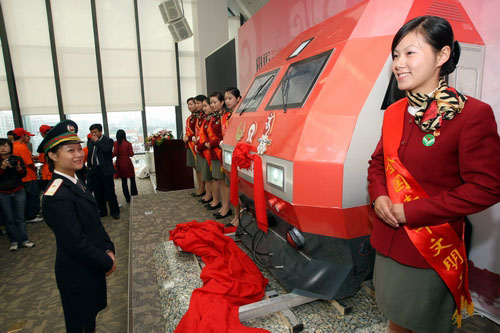
  At the ceremony, Zhao Dongming, Minister of Cultural Activities Department of BOCOG, and Cao Dongxin, Director of the Central Network Film and Television Center of the Communist Youth League, jointly unveiled the "Olympic Cultural Journey of the National Youth Civilization Train", and Tong Lijun, Deputy Director of the Political Department of the Ministry of Railways, officially launched the Olympic Train button. The unimpeded representative of the "National Youth Civilization" train took over the signboard of the "National Youth Civilization Train Olympic Cultural Tour" from Tong Lijun, and solemnly vowed to continue to carry forward the glorious tradition of "Youth Civilization" with practical actions, practice the goal of quality service, and publicize and popularize the concept of the 2008 Beijing Olympic Games. Cao Dongxin, director of the Central Network Film and Television Center of the Communist Youth League, awarded the "National Youth Civilization Train Olympic Cultural Tour" to young volunteer representatives.

  Olympic Train Youth Volunteer Service Team ",volunteer representatives also took the oath at the scene, adhered to the spirit of volunteer service of dedication, friendship, mutual assistance and progress, fulfilled the commitment of staff service, served the Beijing Olympic Games with practical actions, publicized Chinese culture and spread the Olympic spirit.

  It is reported that the "Olympic trains" from Beijing to Guangzhou, Beijing to Shanghai, Beijing to Changsha and Beijing to Xi ‘an will start one after another in the near future, and a series of publicity activities related to them will also be launched later.

Editor: Xu Guimei

The controversial part of the article "Multinational women want to marry in China" has been deleted.

  Japanese, Vietnamese and Korean women all want to marry in China?

  After "Chinese businessmen are hard to find" and "many countries are eager to return to China", the articles of WeChat WeChat official account and Sohu series of "Women from many countries want to marry in China" attract people’s attention.

  Some netizens joked, "Women all over the world actually have the same dream, that is, to marry China."

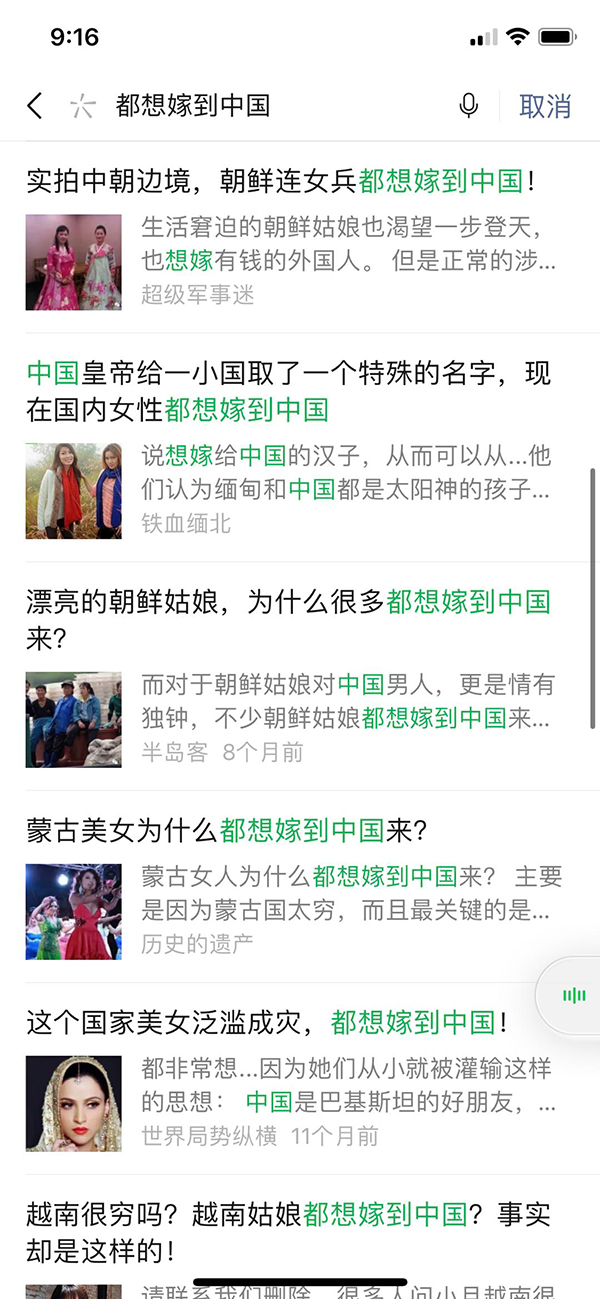
  On April 25th, The Paper searched with the keyword "Everyone wants to marry in China", and nearly 100 articles about "All women in a certain country want to marry in China" were retrieved on the WeChat article retrieval page. The titles of the articles are mostly "I am a Vietnamese woman, I want to marry in China" and "Why do all Mongolian beauties want to marry in China?" "Beautiful Korean girls, why many people want to marry in China" and so on. Searching on Baidu with the same keywords, there are 28500000 related information on the webpage and 452000 related contents on the information page.

  Different from the previous cloned articles on "It’s too difficult for Chinese businessmen", there is no obvious phenomenon of copying and applying copywriting in the content narration of the articles on "Women from many countries want to marry in China", but their narrative theme is "Women from so-and-so countries want to marry in China".

  In response to the WeChat official account series of WeChat articles on "Women from many countries want to marry in China", the public relations of WeChat team told The Paper that similar articles on "Women from many countries want to marry in China" are different in nature from the malicious marketing WeChat WeChat official account articles. "More than 30 articles retrieved by WeChat backstage are similar in content, but only similar views are expressed differently".

  On April 17, the WeChat team responded to the series of illegal articles, saying that WeChat has been actively cleaning up similar articles that use epidemic marketing, fabricate and integrate false information, and incite public sentiment. From January 1 ST to April 16 th, WeChat platform deleted about 9,000 articles suspected of exaggerating and misleading, restricted the ability or banned 2,500 WeChat official account; 6,915 articles on rumors were deleted, and 20,000 articles were restricted in ability or titles.

  Among them, there are articles with more than 10,000+readings.

  The title of the article includes North Korea, Mongolia, Vietnam and other countries Source: WeChat screenshot

  How is the series of articles "A woman from a certain country wants to marry China" produced?

  The Paper found on the WeChat public account and Baidu page that the titles of such articles are mostly "I am a Vietnamese woman and I want to marry China." "Many Japanese women want to marry in China. Why?" "Why are North Korean girls crazy about marrying China?" "Blessed are single men. Women all over the world want to marry in China." "Vietnamese girls want to marry in China? They said: "Compared with Japan, being a daughter-in-law in China is really so happy!" "Vietnamese women want to marry in China? It is best not to marry, and experts suggest that it is best to marry Cambodian women.

  The countries mentioned in these articles include North Korea, Ukraine, India, Vietnam, South Korea, Belarus, Myanmar, Japan, Nepal and Mongolia.

  How are these articles produced?

  The Paper selected articles with a reading of over 10,000, and found that the contents of the articles mostly narrated the benefits of foreign women marrying in China.

  In three of them, I am a Vietnamese woman and I want to marry in China, Japanese girls want to marry in China, and why do Mongolian beauties want to marry in China? Taking China as an example, the main point of the article is to tell that foreign women married to China because of its good environment and high per capita GDP. After marrying in China, China’s wife will get a house, her husband will take the initiative to do housework, and her in-laws will help. In addition, from the perspective of history and humanities, it is not unusual for Vietnamese, Japanese, Mongolian and other countries to intermarry with China.

  "I am a Vietnamese woman and I want to marry China" Similar article Source: WeChat screenshot

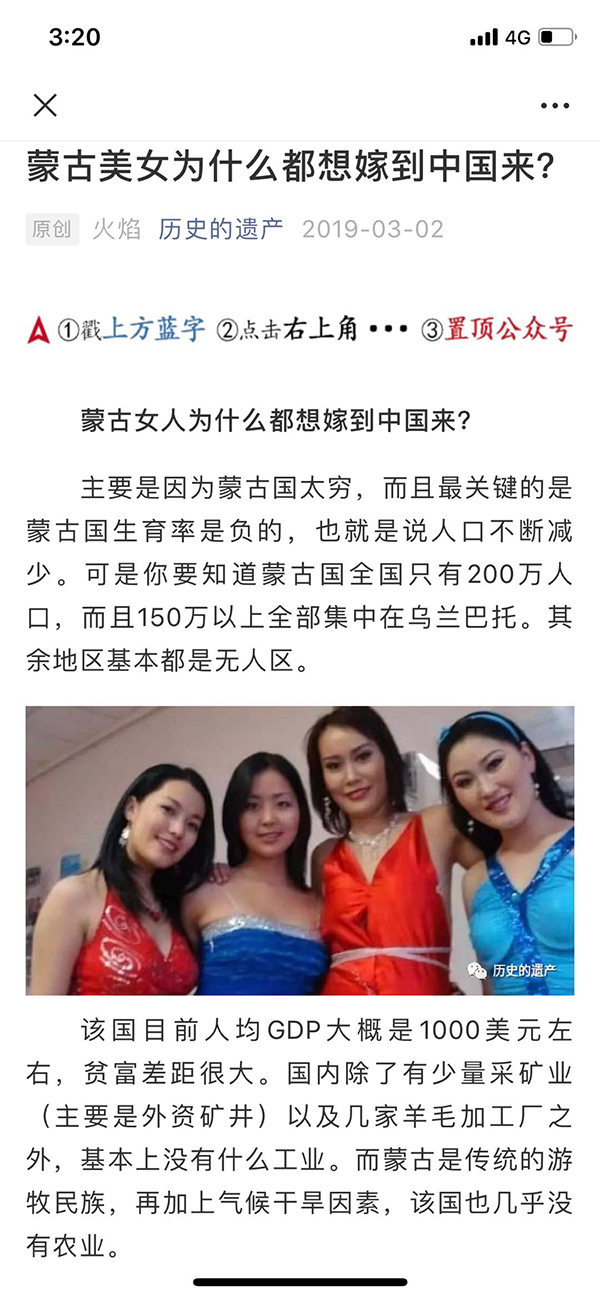
  For example, in Why do all Mongolian beauties want to marry in China? In the article, it is mentioned at the beginning of the article that "the main reason is that Mongolia is too poor, and the most important thing is that Mongolia’s fertility rate is negative, … … The country’s current per capita GDP is about 1000 US dollars, and the gap between the rich and the poor is very large. "

  This paper argues that the advantages of Mongolian beauties marrying in China are: the environment in China is better than that in Mongolia, there are more women than men in China, and the quality of men in China is generally higher than that in Mongolia.

  Finally, the article concludes that Mongolia will regain its glory when a beautiful Mongolian woman marries China.

  WeChat article "Why do Mongolian beauties want to marry in China" Source: WeChat screenshot

  The Paper found that the article was published on March 2, and the account number was "Historical Heritage". The account profile stated "Interesting historical story, folk unofficial history, democratic analysis, telling the past". The main company of the account number was Hefei Downs Household Products Co., Ltd., and the account number was certified and opened on November 14, 2018.

  On April 16th, The Paper called the account entity company about this article, but it was not connected.

  Hundreds of articles on WeChat public accounts, most of which are individuals.

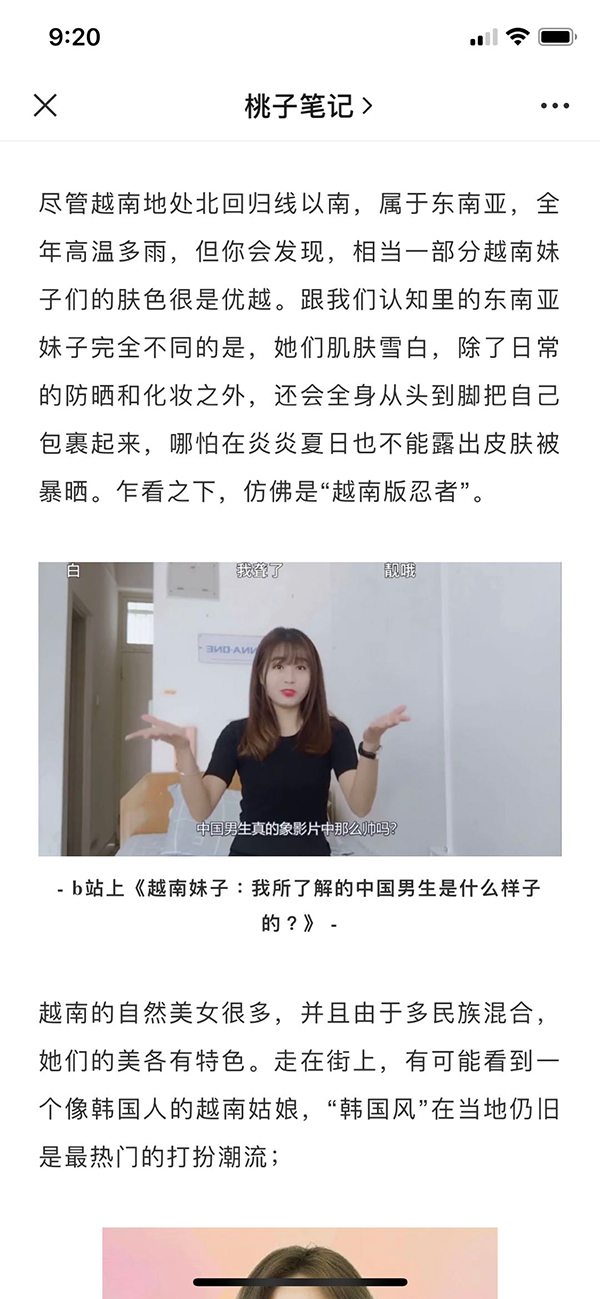
  The Paper found from nearly 155 articles retrieved from the WeChat public account that these articles were published from different WeChat official account, including the personal account "Peach Notes" to promote the "Sex World Revival Plan", and the tourism consulting service number "Taozui Neon" to promote "Travel around Japan". Its account main body is Shanghai Taozui Neon Network Technology Co., Ltd., and there is also a history that claims to tell "interesting historical stories, folk unofficial history and telling the ancient road today". The main body of this kind of WeChat public account is mostly displayed as an individual, and the time of publishing articles can be retrieved from 2017 to April 2020.

  Japanese girls want to marry in China. Source: WeChat screenshot

  The Paper found that "Women in a certain country want to marry in China" published by this kind of WeChat public account article has the same theme and slightly deviated expression.

  Take the article "I finally understand why Korean women would rather be single in their own country than marry in China" published on March 27th by the WeChat public account of Changsha Yangyujin Network Technology Co., Ltd., as an example. The writing is similar to the previous article, and it is mentioned at the beginning that the fertility rate in South Korea fell below 1% in 2018. Korean women choose to marry in China on the one hand because South Korea and China have similar cultures, and on the other hand, because China has done a better job of equality between men and women.

  The Paper found that the WeChat public account was registered on December 9, 2018. Prior to this, on April 16, The Paper called the account entity company for this article, but it was not connected.

  Korean girls want to marry in China. Source: WeChat screenshot

  Another account shows an individual as the main body. For example, the article "Beautiful Korean Girls, Why Do Many Want to Marry in China" published on May 6, 2019 by Wechat WeChat official account Visual Korea with the registration time of February 1, 2020 also mentions that North Korea is poor and backward in everyone’s impression, and it is still in the 1970s and 1980s in China. North Korean girls have a soft spot for China men, and many North Korean girls want to marry in China.

  Some articles have been deleted.

  As of 20: 40 on 16th, The Paper found that some articles about "Women in a certain country want to marry in China" had been deleted. For example, the current page of "I am a Vietnamese woman and I want to marry China" published by WeChat public account "Peach Notes" is displayed as "This content cannot be viewed due to violation of regulations".

  Previously, the page "I am a Vietnamese woman and I want to marry China" published by WeChat public account "Peach Notes" has been deleted. Source: WeChat screenshot.

  "Beautiful Korean girls, why do many people want to marry in China" published by WeChat official account’s WeChat "Visual Korea", whose account subject is an individual, has also been deleted.

  Why do Korean women want to marry in China? They can’t find the source: WeChat screenshot.

  However, with the keyword "Korean girl, want to marry to China", there are still related WeChat posts in WeChat official account.

  For example, on January 8, 2017, the WeChat public account "Oumeidi Xuefu", whose account body is displayed as an individual, posted "Why do North Korean girls want to marry China crazily?" At the beginning of the article, it was written in a similar way that North Korea’s national conditions are poor, and most North Korean girls are not bad-looking, hardworking and filial to their parents. They are married to China and prefer to live here than their own country.

  The Paper inquired about Article 4.11 of the Operating Specification of WeChat Public Platform, which showed that the incited, exaggerated and misleading content of WeChat platform included "false or exaggerated content of the title involving domestic and foreign politics, military affairs, economic fields and national policies" and "the title is described in an exaggerated way, thus inciting people to do something" and so on. For WeChat official account who has a minor violation, (WeChat) will deal with its name, avatar, function introduction, graphic message and other violations; If the circumstances are serious, the functions of group sending, attention, sharing, search, etc. of the account will be restricted, or the use of the account will be directly restricted.

  The Paper previously reported that in the past two months, there have been many articles entitled "A certain country under the epidemic: it is too difficult for Chinese businessmen to close their shops!" The content of the article in WeChat official account on WeChat "XX country longs to return to China" is exactly the same. More than 60 WeChat WeChat official account posts the same titles and articles in batches, such as Palm Switzerland, Palm Belarus, Palm India and Palm Dublin. After telling the plight of foreign epidemic in Chinese, WeChat official account, entitled "Information about the latest car", published nearly 30 articles entitled "Why does a certain country yearn to return to China" and "Why does a country go out independently from China".

  On April 3rd, The Paper learned from Fuzhou Public Security Bureau that Xue Mou, a manager of WeChat official account who published many false news about "Chinese businessmen are too difficult", had been taken criminal compulsory measures by the police. After arriving at the case, Xue admitted that the relevant articles were all fabricated by him, in order to increase the reading volume and increase the powder in order to make a profit. As for the article "Many countries are eager to return to China", on the evening of April 15th, WeChat responded exclusively to The Paper that such articles were exaggerated and misleading. At present, WeChat has deleted 227 illegal articles "XX countries (or regions) are eager to return to China" and blocked 153 public accounts.

The oldest plague in the world was finally defeated by this special China.

Original Tencent medical code 

Leprosy, an ancient plague that has been talked about at all times and all over the world, makes patients disabled for life and becomes "ghosts and ghosts", which is extremely terrible.

(Lu Zhaolin. Source, Guiyang Evening News)

China is a famous leper, and Lu Zhaolin, a poet in the early Tang Dynasty, is one of them. He wrote the immortal poem, "Why should I resign from my life if I succeed? I would rather be a mandarin duck than a fairy." He also resigned from his post because of leprosy and isolated himself in Taibai Mountain.

How painful is it to get leprosy? Lu Zhaolin described his own misery in Five Sorrow and Poor Pass: "The bones are half dead, the blood is absolutely dead, the four branches are withered, and the five senses are missing …"

The general idea is that I am like a skeleton, half dead, my blood gas is very weak, my limbs are atrophied together, and my facial features are broken and distorted.

Lu Zhaolin once sought medical treatment from Sun Simiao, the king of medicine, but there was nothing he could do. He also hoped for the Taoist priest and ate a lot of "elixir" containing heavy metals, but his condition worsened. In the late stage, Lu Zhaolin was crippled by his hands and feet, and stayed in bed all day, eventually drowning himself in the Yinghe River.

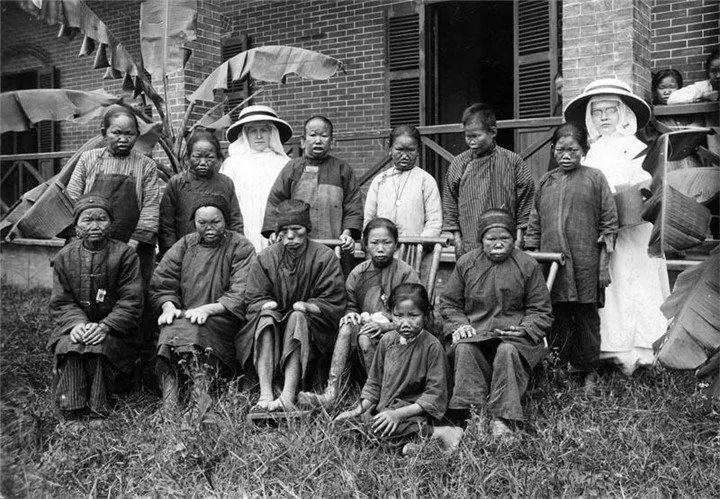
Leprosy patients and Canadian nuns in Guangdong Shilong asylum. Source, Forbidden City History Network)

In the early days of the founding of New China, leprosy was widely prevalent in various provinces in China, with about 500,000 patients, and Guangdong, Shandong, Jiangsu, Yunnan and other provinces were the hardest hit areas.

Now few people have heard of leprosy, and even many doctors don’t necessarily know what leprosy looks like.

How was leprosy eliminated? Can’t live without an old medicine and a person …

For a long time, there was no specific medicine for leprosy. Maple oil (the oil from the seed kernel of the plant Hyacinth) included in Puji Fang in Ming Dynasty is one of the few drugs that can treat leprosy in ancient times.

(The fruit of Hyacinthaceae. Source, network)

Until the late 1940s, doctors in Africa, Asia, South America and other places tried to inject patients with hyacinth oil. Although the treatment process was painful, some people’s conditions did improve.

With the development of chemical industry, in 1908, German chemists E. Fromm and J. Wei Teman first synthesized a compound called chlorobenzene sulfone (DDS). But it is just a trivial one among countless newly discovered compounds, and no one realizes its great medicinal value.

(dapsone tablets produced early in China. Source, network)

In the following 10 years, chlorobenzene sulfone was found to inhibit a variety of pathogenic microorganisms, such as streptococcus, mycobacterium tuberculosis, pneumococcus and leprosy. Unfortunately, it is too toxic to human body, so it can not be used in clinic for a long time.

Until 1941, Faget, an American, used the derivatives of chlorobenzene sulfone (similar to the brothers and sisters of the drug), rewriting the history of leprosy prevention and treatment in the world.

After repeated experiments, Faget chose a chlorpheniramine derivative named promin to do the experiment. After two years’ research, it proved that it had a good effect.

Because of the great side effects of injection, in 1947, doctors in Cochrane, England, tried to make dapsone into pills, which proved to be effective against leprosy, and had the advantages of low toxicity and simple oral administration.

Most importantly, dapsone is cheap and affordable for people in poor areas.

Since then, dapsone has become a life-saving drug for leprosy, and it has been widely used all over the world. Until 1970s, dapsone was internationally recognized as the first choice for leprosy treatment.

It is impossible to verify when dapsone entered China, but judging from the history of leprosy prevention and control in Zhejiang Province compiled by Zhejiang Dermatology Hospital [3], in the early 1950s, drugs such as dapsone, sulfanilamide, Dafengzi preparation and remifentanil were used to treat leprosy in Zhejiang Province.

By the early 1980s, more than 300,000 patients were cured with dapsone in China [4]. It can be said that this old medicine has made great contributions to the elimination of leprosy in China.

January 31st, 2021 is the 68th World Leprosy Prevention Day and the 34th China Leprosy Festival. We should cherish the memory of one person: Ma Haide.

Let’s turn the time back to the war-torn era.

In 1936, under the recommendation of Soong Ching Ling, 26-year-old American doctor George Heidem came to northern Shaanxi as a "well-trained western doctor" and became an advisor to the Ministry of Health of the Red Army. Meanwhile, he applied to join the Communist Party of China (CPC) and changed his name to Ma Haide. From then on, American young George became the "Doctor Ma" affectionately called by his comrades until the founding of New China.

In 1950, he helped to set up the Central Institute of Dermatology and Venereal Diseases.

At that time, there were about 500,000 leprosy patients in China, mainly distributed in Guangdong, Fujian, Jiangxi, Jiangsu, Shandong and other provinces. They are suffering from both physical and mental torture, and life is worse than death.

Because of the lack of medical treatment and social discrimination, if a leper is found in the village, the whole village will fall into panic.

In order to dispel everyone’s fear of leprosy. Ma Haide never wears a isolation gown or a white coat when he goes to a leprosy hospital, and he also shakes hands with patients to say hello.

(Ma Haide holds a leper’s hand tightly. Source: Dalian Evening News)

One Spring Festival, at Wangdu Leprosy Hospital in Hebei, Ma Haide took the initiative to shake hands with the patient, but one patient refused to reach out.

"Dr. Ma is shaking hands with you, but you are reaching out."

Hearing this, the old man shook his hand and burst into tears: "Since I got this disease for many years, no one dared to shake my hand. You are the first."

After Ma Haide’s long-term practice, people gradually eliminated their fear and prejudice against leprosy.

In 1976, Ma Haide was diagnosed with prostate cancer, but this did not affect his fight against leprosy! He traveled to hundreds of hospitals and prevention points all over the country, and even visited more than a dozen countries, winning medicines and medical devices worth tens of millions of dollars.

In 1980, he introduced a new foreign technology for the treatment of leprosy-the combined drug therapy (MDT) of rifampicin, chlorphenazine and dapsone to China, and promoted China to become the first country in the world to fully use the program [5].

In 1981, after a lot of research and investigation, he proposed to the Ministry of Health the goal of "basically eliminating leprosy in China in 2000".

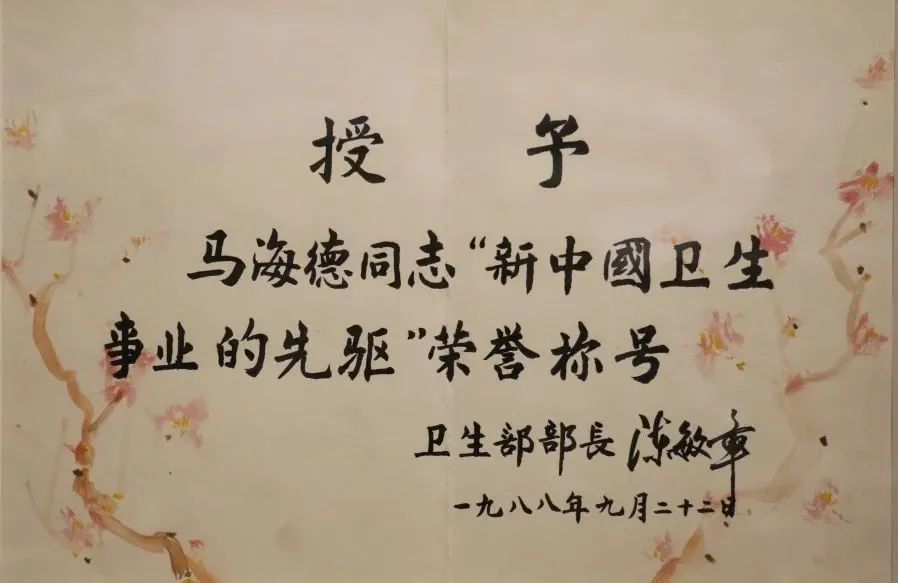
In 1988, Ma Haide won the "Gandhi International Leprosy Award", and the Ministry of Health of China also awarded him the honorary title of "New China Health Pioneer".

(The Ministry of Health awarded Ma Haide the honorary title certificate of "Pioneer of Health in New China". Source, China National Museum)

But at this point, his health is getting worse every day. Since the diagnosis of prostate cancer, he has undergone 8 major operations and lost more than 30 kilograms. But just a month before his death, he still wrote back to leprosy patients in his hospital bed.

On October 3rd, 1988, this China doctor from abroad left us.

From the time he set foot on China at the age of 23 to his death at the age of 78, Ma Haide devoted all his best years and even his life to China.

It is comforting to know that at that time, the number of leprosy patients in China dropped from more than 500,000 to less than 2,000, and the number of completely cured patients reached 210,000.

Leprosy is not a highly contagious disease. With the physical quality of modern people, more than 95% people have normal resistance to Leprosy, and even if they are infected with Leprosy, the incidence rate is very low [6]. However, in ancient and modern times, people often didn’t even have enough to eat, and their constitution was very weak and their immunity was very low. Naturally, there was no way to stop leprosy.

We know that there are three main ways to deal with infectious diseases:

The first is to control the source of infection. Find and control people or animals that can spread pathogens. The source of leprosy infection is mainly untreated multi-bacterial leprosy patients.

The second is to cut off the route of infection. For example, centralized isolation and home isolation are often used in epidemic prevention and control in COVID-19.

The third is to protect susceptible people. You don’t have to be afraid after vaccination.

In 1957, the Ministry of Health established the policy of "active prevention and control of infection" in the National Leprosy Prevention and Control Plan, and put forward the steps and practices of "investigation, isolation and treatment".

First of all, a large number of medical personnel are mobilized to go deep into the grassroots every year to carry out a general survey of leprosy, so as to achieve "early detection and early treatment". The census continued until the mid-1980s, and it was gradually terminated only after few new cases were found every year.

Secondly, hundreds of leprosy hospitals will be built in remote mountains and islands with inconvenient transportation and no water and electricity, and people will be treated on a large scale.

Finally, popularize dapsone and adopt newer combined drug therapy.

Compulsory isolation+dapsone monotherapy and other measures made it impossible to find many new cases of leprosy in the mid-1980s. In the case of low incidence, combined treatment can eliminate infectivity within a few months or even weeks, so that patients can return to society.

In 2000, the Ministry of Health of China announced to the world that the number of leprosy patients in China had dropped to about 2,000, and the prevalence rate was below 1 in 100,000, which basically eliminated leprosy.

Now, if leprosy patients are newly discovered, it is no longer necessary to isolate them.

The diagnosis and treatment of leprosy in China is free, and the course of treatment can be completed in half a year or one year, with good results. At present, there are less than 3,000 leprosy patients in China, and "realizing a world without leprosy" is becoming our dream within reach.

Reviewer: Xu Hongjun | Attending physician of dermatology, Beijing Friendship Hospital affiliated to Capital Medical University.

references

[1] The 19th International Leprosy Conference was held in Beijing. Xinhuanet. http://news.xinhuanet.com/politics/2016-09/19/c _ 129288305.htm.

Su Shixiong. Clinical application of dapsone in dermatology. Journal of Guangxi Medical College. 03, 1981.

[3] History of leprosy control in Zhejiang Province. https://mp.weixin.qq.com/s/qag3iiceis 6pk9lbc15ay

[4] courseware of 19th International Leprosy Conference. .http://www.chinalep.org/showNewsDetail.asp, China Leprosy Prevention and Control Association? nsId=79

[5] Report of the WHO Western Pacific Expert Group on Evaluation of MDT in China. china journal of leprosy and skin diseases. 01, 1981.

[6] the core knowledge of leprosy control and related questions and answers (2014 edition). http://www.chinacdc.cn/rdwd/201402/t20140206 _ 93246.htm.

Read the original text

Starting from the e of the two sessions: improving the ability of prevention and treatment of chronic diseases and health management at the grassroots level

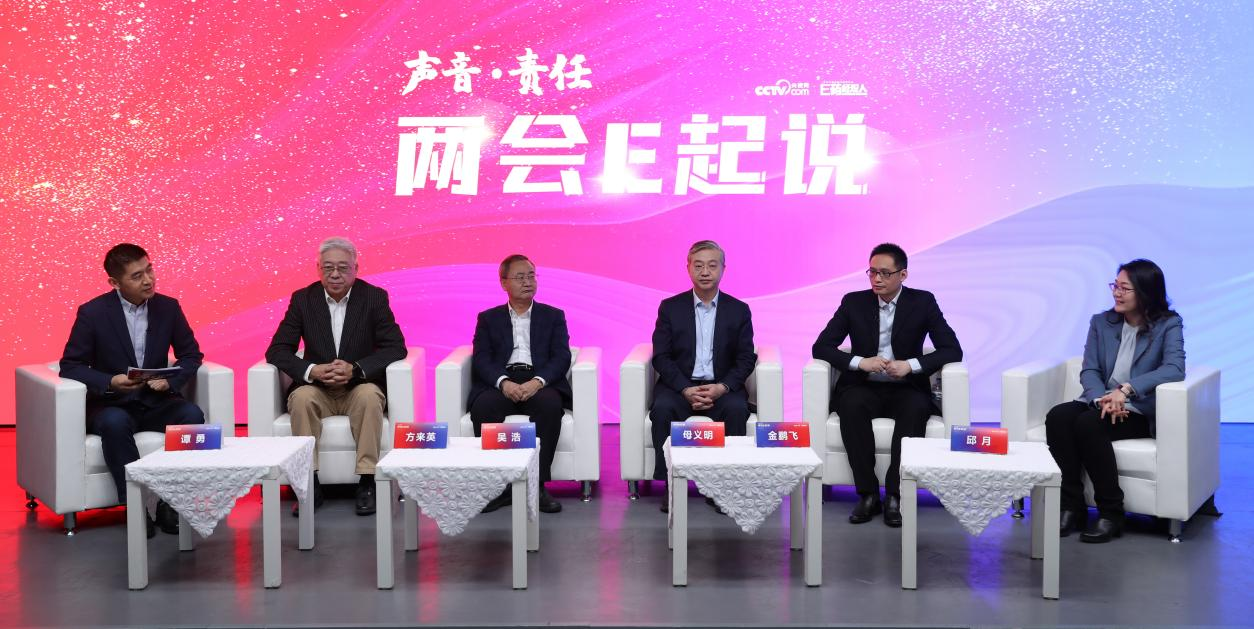
  Recently, the "two sessions of voice and responsibility" jointly planned by CCTV and e-drug managers was launched to further improve the prevention and health management capabilities of chronic diseases at the grassroots level. What role does the grassroots play in the prevention and treatment system of chronic diseases? From what aspects can we effectively enhance the ability of prevention and treatment of chronic diseases at the grassroots level? How to ensure the use of drugs for chronic diseases at the grassroots level? This programme revolves around these topics.

  The current situation of chronic diseases in China is not optimistic, showing the phenomenon of high incidence, high disability rate, high mortality rate, high health expenditure rate and low control rate. Chronic diseases have gradually become the main "killer" threatening public health, the biggest disease burden in China, and the top priority of building a healthy China. The Outline of "Healthy China 2030" points out that in 2030, the whole population and the whole life cycle of chronic diseases should be managed.

  It is the key to improve the grass-roots capacity building of chronic disease prevention and control system

  Under the graded diagnosis and treatment system, the prevention and treatment of chronic diseases and health management mainly rely on the grassroots. Fang Laiying, vice president of China Hospital Association, said that chronic diseases are an important factor affecting national health at present. With the continuous deepening of medical and health system reform in China, grassroots health construction and chronic disease management are highly valued. The management of chronic diseases focuses on the grassroots, and the key to prevention and treatment is to have a strong grassroots team. The key to the grassroots team lies in the construction of institutions and talents. Fang Laiying pointed out that in terms of institutional construction, the construction of graded diagnosis and treatment system is very critical. In recent years, the total number of primary health institutions has changed greatly, and the ability of primary diagnosis and treatment has been greatly improved. In terms of talent construction, the ranks of grassroots medical and health talents have grown, and the total number of general practitioners in China has shown a steady upward trend. At the same time, the internal structure of grassroots medical staff has changed, and more and more young medical practitioners are active at the grassroots level.

  Mother Yiming, chief physician of endocrinology department of the First Medical Center of PLA General Hospital, said that chronic diseases are characterized by a large number of patients and a low cure rate, which is harmful to people’s health. At the same time, the treatment of chronic diseases takes a long time, which is a great burden for both the country and individuals. The management of chronic diseases such as diabetes and hypertension mostly depends on the grass-roots level. Improving the quality and breadth of grass-roots management can effectively control chronic diseases. In recent years, with the strong support of national policies, grassroots professional teams have become more and more powerful. The application of diagnosis and treatment guidelines and expert consensus has enabled grassroots doctors to carry out medical services according to the actual situation, and grassroots communities have made great contributions to the prevention and treatment of chronic diseases.

  Qiu Yue, an associate professor at Tsinghua University Hospital Management Research Institute, pointed out that according to the current population structure, China may face an aging age structure that tends to be older in ten years. Compared with people aged 60-70, people aged 70-80 and above are more common to live with diseases, and the demand for services is stronger. With the passage of time, when the aging of the elderly strikes, the number of the elderly has risen sharply, and the management of chronic diseases will face a new situation. Therefore, we must seize the current time window to upgrade the management of chronic diseases.

  Qiu Yue said that China has made remarkable progress in the prevention and treatment of chronic diseases in terms of management rate, control rate and treatment rate. On the other hand, we also need to see that although the talent team is constantly strengthening, it still faces a series of challenges such as the low level of primary medical personnel and the low efficiency of providing medical services.

  Qiu Yue suggested that in the context of the rapid development of digital technology, we should pay attention to promoting advanced technology to empower primary health care and solve the above problems better, more efficiently and more temperature. Qiu Yue said that the management of chronic diseases at the grass-roots level emphasizes continuity, accuracy and individualized treatment, and digital technology has natural advantages in these aspects. From early screening and prevention to later management, and timely detection of complications, digital technology can play a very good role. Digital technology can improve the ability of diagnosis and treatment at the grassroots level, help doctors keep patients with chronic diseases at the grassroots level, and provide patients with better quality and temperature services. Digital technology can not only realize the whole process management at the service level, but also be more standardized in operation and management.

  How to make the appropriate digital technology sink to the grassroots level? Qiu Yue believes that, first of all, technology should be adapted to the needs of grassroots, and second, technology should be safe, easy to use and useful, so that grassroots doctors can really use technology. Through system innovation, more support measures can be introduced to help grassroots doctors apply appropriate technologies better and faster.

  Strengthening the ability of chronic disease prevention and treatment, special disease outpatient service is the direction

  Primary medical care is a key area for the prevention and treatment of chronic diseases in China. From what aspects can we effectively enhance the prevention and treatment ability of primary medical care?

  Wu Hao, member of Chinese People’s Political Consultative Conference and dean of the School of General Practice and Continuing Education of Capital Medical University, said that from the perspective of system construction and personnel training, China has basically achieved comprehensive coverage, and the next thing to be solved is the transformation from quantity to quality. High-quality prevention and treatment of chronic diseases at the grass-roots level is very important to improve the healthy life span of the whole people. Among them, it is very important to set up special disease clinics and strengthen the construction of general practitioners at the grass-roots level to improve the ability of special disease prevention and health management of chronic diseases at the grass-roots level.

  Wu Hao introduced that in 2022, more than 400 community diabetes clinics were certified. It is suggested to build a community chronic disease quality control center first, explore the construction standards of special disease clinics, and further promote the popularization of special disease clinics. Through the construction of special disease clinics and the provision of general practitioners, the ability and quality of health management of chronic diseases at the grassroots level will be improved, so that ordinary people can have real dependence at home. At the same time, in the mechanism, we will promote the linkage between primary specialized disease clinics and higher-level hospitals, and provide efficient and high-quality diagnosis and treatment services for patients with chronic diseases.

  In the prevention and control of all chronic diseases, the management of diabetes is the most complicated. China is one of the countries with the fastest growth rate of diabetes in the world, and the situation of diabetes prevention and control is very severe, which has become a major public health problem in China. Mother Yiming said that diabetes is divided into four categories, including type 1 diabetes, type 2 diabetes, gestational diabetes and special types of diabetes, of which type 2 diabetes accounts for more than 95%. About 140 million adults in China suffer from diabetes, and about 160 million to 180 million people are in pre-diabetes. That is to say, three out of every ten people in China have elevated blood sugar. Diabetes is easy to cause a variety of complications, causing damage to human respiratory system, cardiovascular system and other systemic organs.

  Mother Yiming said that the current management concept of diabetes has changed from focusing on reducing blood sugar in the past to focusing on controlling complications, which requires individualized treatment and all-round health management for patients. For type 2 diabetes, in addition to drug treatment, lifestyle intervention can also be carried out, focusing on the effects of diet, exercise and psychological state on health. Among them, general practitioners play an important role in the screening, diagnosis, treatment, follow-up, education and management of patients with chronic diseases.

  Wu Hao pointed out that the greatest advantage of general practitioners lies in continuity. General practitioners are familiar with the patient’s situation and can formulate personalized prevention and treatment strategies according to the patient’s family and life background, and provide targeted, comprehensive and continuous diagnosis and treatment services. It is suggested that special training should be given to grass-roots general practitioners for chronic diseases with a large incidence, so that general practitioners can solve most common and frequently-occurring diseases. Taking diabetes as an example, we will carry out standardized training on diabetes management for general practitioners and train a group of primary diabetes doctors to meet the medical needs of the masses.

  Improving the effectiveness of chronic disease prevention and treatment: drug guarantee is the foundation.

Jin Pengfei, Chief Pharmacist of Beijing Hospital

  Primary medical problems are closely related to drug policy. Jin Pengfei, the chief pharmacist of Beijing Hospital, pointed out that we can understand the problem of drug security at the grass-roots level from three angles: demand, ability and policy. On the demand side, patients with chronic diseases will be treated intensively at the grassroots level for a long time after being diagnosed in higher hospitals and their condition is stable, and medication guarantee is the key. Ensuring the provision of primary drugs can not only meet the treatment needs of patients, but also avoid a run on medical resources. In terms of ability, it is necessary to consider whether the drug equipment at the grass-roots level, the service ability of the grass-roots pharmacy personnel and related hardware facilities can meet the demand.

  In 2021, China issued the Management Guide for Comprehensive Clinical Evaluation of Drugs, which clarified the direction of drug evaluation in the future, that is, taking the clinical value of drugs as the guide and using real-world data to carry out actual evaluation. Jin Pengfei said that in recent years, China has attached importance to the comprehensive clinical evaluation of drugs, and comprehensively evaluated drugs from the six dimensions of safety, effectiveness, economy, innovation, suitability and accessibility, providing a good reference for the revision of the list of essential drugs. Through scientific comprehensive evaluation, compare and screen more valuable drugs, and gradually put these drugs into the catalogue. It is suggested that the policy system should be strengthened to ensure the provision of drugs at the grass-roots level, so as to narrow the gap between regions and urban and rural areas, so that chronic drugs can not be used out of the community, so that ordinary people can obtain high-quality pharmaceutical services in the grass-roots community. This series of policies is of great significance to strengthen drug use security, and also helps to optimize the allocation of resources and dynamically screen drugs in China’s medical insurance catalogue and national essential drugs catalogue.

  Jin Pengfei said that the World Health Organization updated the list of essential drugs (22nd edition) in 2021, and the list of essential drugs in China was last adjusted in 2018. In recent years, the creation of new drugs has developed rapidly. With the continuous updating of the first-line clinical medication guidelines, taking diabetes drugs as an example, when the last edition of the basic drugs was adjusted, only one kind of insulin analogues like the third generation was in the catalogue, and now some weekly preparations that are convenient for patients are also widely used in clinic, which are not included in the basic drug catalogue at present. Therefore, it is hoped that more drugs commonly used in clinic and suitable for chronic diseases at the grassroots level will enter the list of essential drugs, and the accessibility of relevant drugs at the grassroots level will be promoted from the policy level, which will really benefit the people.

  How to control chronic diseases at the grassroots level? How to achieve high-quality prevention and treatment of chronic diseases at the grassroots level? Fang Laiying answered questions from medical care, medicine and medical insurance. Fang Laiying pointed out that, first, we should attach importance to the role of general practice in the prevention and treatment of chronic diseases at the grassroots level, emphasizing that the general practice system is a professional field and specialist field that keeps pace with other clinical disciplines; Second, we should correctly understand the role of general practitioners, scientifically evaluate primary medical institutions and mobilize the enthusiasm of primary medical institutions; Thirdly, it is necessary to strengthen the general practitioners’ awareness of personalized and all-round treatment of chronic diseases, implement health management and improve patients’ compliance; Fourth, it is necessary to improve the accessibility and technical popularization of drugs at the grassroots level, so that drugs not only appear in the catalogue, but also really reach the grassroots community, and at the same time, the latest and best technological achievements can be popularized and used at the grassroots level as soon as possible.

  The prevention and treatment of chronic diseases is the most important task in the construction of a healthy China. Taking diabetes as an example, China has established a relatively complete primary health management system through measures such as graded diagnosis and treatment, special disease outpatient service, comprehensive treatment and drug guarantee. In the future, we should continue to comprehensively promote the construction of chronic disease prevention and control system from the aspects of medical care, medicine and medical insurance. At the same time, the prevention and treatment of chronic diseases should not only pay attention to the improvement of medical security, but also strengthen the education of the grassroots, so that the general public can understand, pay attention to and pay attention to chronic diseases, scientifically prevent and treat chronic diseases in daily life, and achieve the combination of prevention and treatment, early diagnosis and early treatment, and comprehensive treatment. (Reporter/Zhao Yanling Intern reporter Meng-Di Zhang Proofreading/Fan Lijun)

"Negotiation Expert" reveals the professional contrast, Liu Qingyun and Wu Zhenyu restore the truth


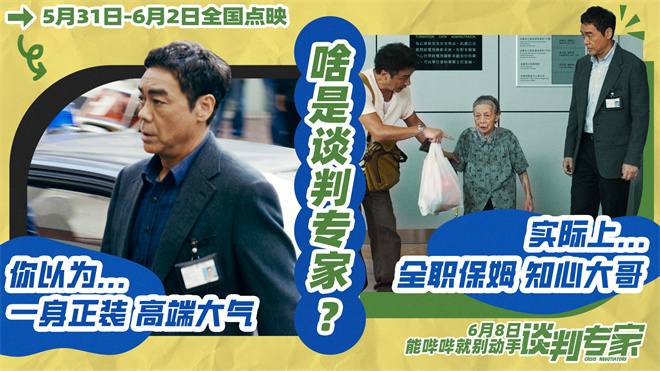
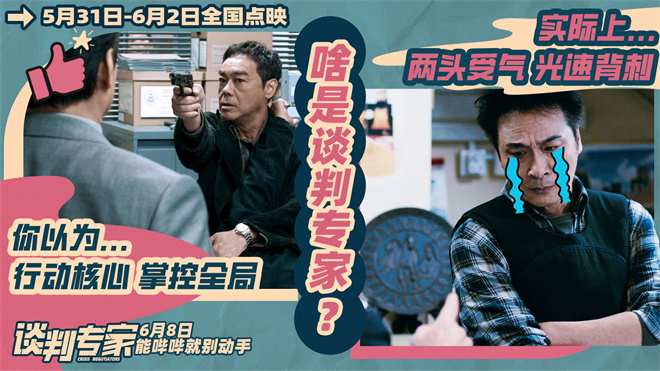
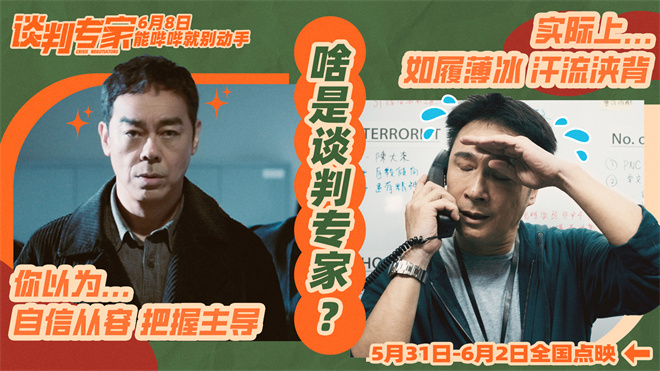
1905 movie network news Recently, the Dragon Boat Festival film released a preview of "What is a Negotiating Expert", revealing the working status of negotiating experts in various scenarios, and fully and vividly presenting the tense atmosphere and "frequent accidents" at the negotiation scene.


The film broke through the box office 10 million in the first round of screenings on May 24, 25 and 26, and received a large number of audience praise. The novel setting of "the police become kidnappers, and the negotiation experts are negotiated" pleasantly surprised many audiences who walked into the theater. The tense double-power "mouth-to-mouth battle" is so enjoyable that some viewers even said that "Negotiator Expert" is "fresher than most Hong Kong films released before."

Uncovering the Multifaceted Career of Negotiators

Restore the vivid negotiation scene


The movie "Negotiator" rarely presents the professional story that the audience has less contact with on the big screen. As the police on the front line of the crime scene, the daily work of the negotiator is also quite different from everyone’s imagination.The negotiators played by Liu Qingyun and Wu Zhenyu sometimes seem to be in formal clothes, in control of the situation, or confident and calm to solve the crisis; sometimes they will encounter embarrassing situations, may need to dress simply, be close to ordinary people, and will also quarrel with colleagues. Sweat profusely before emergencies… Under the lively and interesting negotiation scenes, the film’s professional presentation of the negotiators is also more and more in-depth.


In order to present the profession of a negotiation expert in a true and detailed manner, the director specially did a lot of research before filming. According to him, "Many negotiation experts are psychological experts, and they will deeply understand the emotions and reactions of the suspect in the crime environment. As a person on the front line of the crisis scene, they need to give appropriate responses to the suspect’s resistance."


Liu Qingyun and Wu Zhenyu, who played the negotiators, also did a lot of preparation work from the beginning of filming, and also incorporated their own understanding in the process of interpreting the characters. In Liu Qingyun’s view, "Negotiators should not let people think that he is a police officer, and it will be easier to achieve the task if he is like an ordinary person."


"Negotiator" is ahead of schedule, and the feedback exceeds expectations

Audience comments on "cool with humor"

Since the release of the movie "Negotiation Expert", many netizens on major social platforms have started heated discussions on topics such as plot setting and actor performances. The film is different from the unique literary dramas of previous Hong Kong films, and it has also received key praise: "Compared with other Hong Kong films with real guns and live ammunition, this one is more’literary ‘, but the immersion experience is quite a bit!" "It is quite different from traditional Hong Kong films. It mainly relies on mouth output, less bullets are used, and it is equally exciting to play with your heart!"After watching the movie, many viewers expressed their confidence in Hong Kong films. "The whole process is tense and exciting, and the feeling of pleasure is mixed with Chinese and Hong Kong-style humor, which is like returning to the golden age of Hong Kong films." "Before and after, there is’Negotiation Expert ‘, and this year’s Hong Kong films are more and more enjoyable!"


The film "Negotiation Expert" is produced by the supervisor, written and directed by Qiu Litao, and starring Liu Qingyun and Wu Zhenyu. It will be screened nationwide from May 31 to June 2, and will be officially released on the Dragon Boat Festival on June 8.


"Save golden beans" has become the new favorite of young people in financial management. Is this method reliable?

  Buying physical gold such as gold jewelry, gold bars, gold coins and nuggets is a familiar way for people to invest in gold, but recently, many gold jewelry brands have started to introduce small-gram products such as mini gold, Jin Doudou and golden melon seeds, the weight of which is mostly 1g, and the price is generally more than 500 yuan. Many netizens who have bought Jin Doudou call it a "wealth management weapon" for young people, and there is even a saying that "buying will preserve the value".

  So,Why are young people keen on saving golden beans? What risks do you need to guard against when buying such goods?

  "Save one every month" and save golden beans to become the new favorite of young people’s financial management

  When the reporter searched social platforms, he found that many netizens took photos or videos of the small grams of gold they bought and shared them. Some people saved Jin Doudou full of transparent glass bottles, and there were often comments in the comment area that "it is better to save money than to save gold beans" and "it is better to buy gold beans than to buy funds".Saving golden beans has become a popular financial management method for young people nowadays.

  △ netizens share the process of saving golden beans on social platforms.

  The so-called golden beans usually refer to gold with a weight of about 1 gram. There is no labor fee, and the price depends on the market. At present, it is generally around 500 yuan. Compared with tens of grams and hundreds of grams of gold bars,One gram of golden beans lowers the purchase threshold and gives young people who want to invest in gold a chance to enter the market.

  Ms. Liu, who lives in Beijing, was introduced by a friend and began to pay attention to Xiaoke Heavy Gold. She told reporters that saving a golden bean every month is her financial goal. In her view, this is similar to fixed investment, that is, making long-term investment. "It’s very satisfying to save one every month and watch more and more Jin Doudou in a small bottle."

  Mr. Wang described himself as a "moonlight family" who spent all his living expenses every month. For him, buying golden beans is equivalent to forcing himself to save money. "Buying one every month is very interesting."

  Jindou belongs to a kind of investment in gold bars with corresponding liquidation channels.

  On the 15th, the reporter visited a store selling gold jewelry on the first floor of a shopping center in Beijing. Some salespeople said that many consumers in the store recently came to consult Jindou, thinking that gold can be realized at any time, and one gram of Jindou is several hundred yuan, which is more recognized by everyone.

  Salesperson:Many young people buy one every month or every week, and the price of gold follows the market.

  Reporter:What is the approximate price of 1 gram?

  Salesperson:527 yuan, no need to add manual fees.

  Reporter:If I save more and want to sell, what is the cash channel?

  Salesperson:There are designated stores that can be cashed in, or some places where jewelry can be recycled. We also do it ourselves.

  The reporter noticed that the maximum weight of gold products in the store display window is more than 50 grams. According to the salesman, Jindou is a kind of investment gold bars, and the store has investment gold bars with different weights for different consumer groups.

  △ "Jin Doudou" product launched by a gold jewelry store

  Expert: It is not advisable to buy with the wind. You must have basic knowledge of investment and financial management.

  According to the White Paper of China Gold and Jewelry Consumption Survey in 2021, customers aged 25 to 35 account for over 70% of the consumers in gold shops. Among them, the e-commerce platform has become an important channel for young people to buy gold. After the popularity of Xiaokezhong gold products, many jewelry platforms have launched products such as "Jin Doudou" and "Golden Melon Seeds" on the e-commerce platform.

  According to the data of the National Bureau of Statistics, from the product category of gold jewelry consumption, consumers are more inclined to buy light weight products, and the sales volume of products priced by weight is significantly higher than that of products priced by pieces, and the investment and consumption of physical gold continues to grow rapidly.

  Whether it is 1 gram of golden beans or large grams of gold bars and bricks, consumers need to pay attention to avoid risks if they buy for investment purposes. Dong Ximiao, chief researcher of Zhaolian, said,The price of gold is influenced by many factors and fluctuates greatly, so it should have certain risk avoidance ability.

  "The price of gold is affected by some factors in the international market, and the fluctuation is obvious.Chinese often thinks that gold is an unchangeable product for preserving value, but it is not necessarily so.The fluctuation of gold price is sometimes relatively large, so we should pay attention to avoiding such risks. "

  So, how to avoid the risks in investment? Dong Ximiao suggested, first of all,To have basic knowledge of investment and financial management, it is best to find a suitable investment method.

  Investment and financial management should start from personal risk preference, investment ability, investment experience and other factors.Everyone should do their own asset allocation, and no investment method is suitable for everyone;

  To have basic knowledge of investment and financial management,Know something about precious metals investment in particular;

  Investment must buy products that you know. Nowadays, young people tend to have a "herd effect" when investing. It is not advisable for everyone to buy whatever they buy.Investment and financial management should choose the way that suits you..

  Producer Liu Li

Reporter Yan Jiang Xiaochen

Editor Liu Bo

Proofreading Gao Shaozhuo

The new regulations on toothpaste supervision are coming! Implemented on December 1, 2023.

  CCTV News:According to the WeChat official account news of, the General Administration of Market Supervision recently issued the Measures for the Supervision and Administration of Toothpaste (Order No.71 of the State Administration of Market Supervision), which will be implemented on December 1, 2023.

  Toothpaste is not only a daily consumer product, but also a product closely related to people’s health. The newly revised "Regulations on the Supervision and Administration of Cosmetics" clearly stipulates: "Toothpaste shall be managed with reference to the regulations on ordinary cosmetics". In order to implement the Regulations, standardize the production and operation activities of toothpaste, strengthen the supervision and management of toothpaste, ensure the quality and safety of toothpaste, protect the health of consumers, and promote the healthy development of toothpaste industry, the General Administration of Market Supervision and National Medical Products Administration adhere to scientific legislation, democratic legislation and legislation according to law, and on the basis of extensive listening to opinions, in-depth research and full demonstration, formulate the Measures for the Supervision and Management of Toothpaste (hereinafter referred to as the Measures). There are 25 Measures, mainly including the following contents:

  The "Measures" clarify the definition of toothpaste, which is defined as a paste-like product that is applied to the surface of human teeth in a rubbing way with the main purpose of cleaning; To standardize the efficacy management and labeling requirements of toothpaste, it is required that the efficacy claims of toothpaste should have sufficient scientific basis, clarify the contents that toothpaste should be labeled and prohibited, and standardize the scope and terms of efficacy claims. At the same time, it is clear that the departments in charge of drug supervision and administration in National Medical Products Administration and local people’s governments at or above the county level are responsible for toothpaste supervision.

  The Measures stipulate that toothpaste should be put on record, new toothpaste raw materials should be registered or put on record according to the degree of risk, and a safety monitoring system should be implemented. New toothpaste raw materials without safety problems after the safety monitoring period are included in the used toothpaste raw materials catalogue formulated by National Medical Products Administration. Continue to use the existing toothpaste production license system, issue cosmetics production licenses for toothpaste production, and minimize the impact on the industry on the basis of ensuring product quality and safety.

  The Measures clarify that toothpaste filers are responsible for the quality, safety and efficacy claims of toothpaste; Toothpaste producers and operators shall engage in production and business activities in accordance with laws, regulations, mandatory national standards and technical specifications, strengthen management, be honest and self-disciplined, and ensure the quality and safety of toothpaste products. In addition, in the legal responsibility part of the Measures, the specific circumstances of applying the Measures for the Administration of Cosmetics Registration and Filing and the Measures for the Supervision and Administration of Cosmetics Production and Operation are also listed, which further clarifies the main responsibility of enterprises.