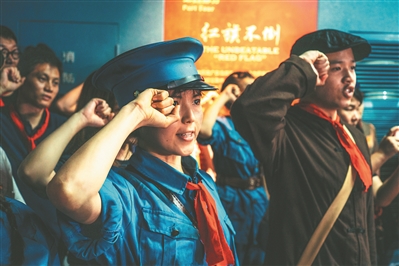
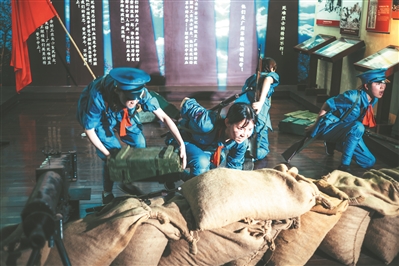
Immersive drama "1927 Guangzhou Uprising" audience actors performed a red drama.
  Guangzhou Daily All-Media Reporter Huang An

  "This comrade, would you like to join me … …” As soon as the voice fell, the actor took the audience’s hand and walked into the museum, returning to the stormy Guangzhou Uprising in 1927 — — The 1927 Guangzhou Uprising, which is being performed in Guangzhou Uprising Memorial Hall, is an immersive drama created by Guangdong Revolutionary History Museum, which combines red culture education with art popularization. In just 45 minutes of performance, the audience shuttled with the actors in different areas of the museum, watching, feeling and experiencing the plot at zero distance. This innovative attempt made the memorial hall glow with new vitality and the number of receptionists surged.

  "Zero distance" touches history, and the audience becomes part of the performance.

  The Guangzhou Uprising in 1927 carried the banner of "Red Army of Workers and Peasants" for the first time in history, which set a precedent for urban-rural cooperation and armed uprising jointly held by workers, peasants and soldiers. The Soviet government in Guangzhou established in the uprising is known as "Paris Commune in the East".

  Guangzhou Uprising in 1927 is an immersive drama created by Guangdong Revolutionary History Museum based on the history of Guangzhou Uprising. The whole drama is based on the place where the Guangzhou Uprising once took place — — Guangzhou Commune is the stage, and the audience is there, touching the grandeur and passion of history at zero distance.

  In the first act of the performance, the Guangzhou uprising started. In the courtyard, characters such as "A Hui", "A Zheng", "Qiang Zi", "Hui Fang" and "Guo Hua" appeared one after another, calling on the audience to join their team. "Comrades, would you like to join me in the Guangzhou Uprising?" "I do!" The audience, already immersed in the historical situation, let go of their voices. Wearing the red cloth belt with the symbol of Guangzhou Uprising and taking the sickle and axe, the audience opened the door of history and started a dialogue with the revolutionary ancestors through time and space.

  With the development of the plot, there are more and more interactions between actors and audiences, and the viewing scenes are constantly changing. Sometimes, in the Tianzi Wharf where bullets rained, I felt the fierce struggle between the female soldiers and the enemies several times as many as myself; Sometimes in front of the bright red party flag, I relive the solemnity of the pledge to join the Party. In order to rescue the revolutionary, the audience divided into two ways, and all the way followed the workers and peasants in the play to attack the fortress. All the people felt the tension of the great shift of the battlefield in the hurried footsteps. After hard fighting, the Soviet government in Guangzhou was finally established. Amid the cheers, the audience and the leading actor sang "The Internationale" passionately, and the passionate songs fluttered high above the memorial hall.

  Walking out of the theater, the audience Ms. Su is still red-eyed. She told reporters that she was very moved: "I couldn’t help crying when I saw the scene of Huifang’s sacrifice. Without the sacrifice of revolutionary ancestors, there would be no happy life for us today." Xiao Wang, a post-90s generation, believes that replacing historical explanations with dramas is more vivid and lively, which makes young people closer to that period of history and realizes the revolutionary spirit of heroic ancestors who struggled hard and were not afraid of sacrifice.

  Speaking of the creation of this drama, Wang Yuhan, the general director of the drama, said that unlike the artistic concept of "above life" in traditional drama, works with red themes must strictly follow historical facts, and nothing inaccurate or untrue is allowed. To this end, the crew visited historical experts and related units, constantly combing, and finally changed eight drafts before setting the script.

  The bigger challenge is the design of the circuit. During the performance, the actors must lead the audience to shuttle up and down different exhibition halls. However, the space of the memorial hall is limited, and the beauty of music and dance is also limited. How to make the plot coherent under the constraints of the objective environment, and even a tree, a staircase and an exhibition hall can be used reasonably to serve the plot? In this regard, the crew went to the field for many times to explore and design, and finally solved the problems one by one.

  The main creation comes from the local folk troupe, and the post-90 s young people are the main force.

  Li Yuehui, the leading actor, recalled that there was a scene where he was standing by without his part. Suddenly an acquaintance came over and greeted him: "But I can’t jump out of the scene to talk to him. I have to be a role in the play. I can only pretend not to hear him and ignore him." "In the middle of another performance, a child suddenly hugged my thigh. He just liked your performance. At this time, I had to use the experience of the actor to improvise."

  Li Yuehui, who has been engaged in drama for more than 20 years, believes that immersive drama breaks the "fourth wall" of traditional drama viewing mode in performance form and blends actors and audiences in one atmosphere. Facing the audience close at hand and within reach, this tests the actor’s sense of faith and professionalism.

  Except Li Yuehui, most of the actors in the play are from Guangzhou folk professional drama performance groups — — Greek Troupe, which is dominated by young people, and 90% of them are professional actors who graduated from acting classes. Among them, Wang Fang, who plays "A Zheng", is a "post-90 s" who graduated from the Performance Department of Shenzhen University. In order to prepare for his role, he not only deeply understood the history of the Guangzhou Uprising, but also required himself to practice walking posture and eyes according to the standards of a soldier.

  Wang Fang said that acting in this drama is actually a vivid patriotic education for himself. He recalled that in a performance, he once met an old audience: "I needed to salute the audience in the play. When I saluted him, the old man gave me a military salute in particular, and my tears stopped."

  Speaking of this group of young people, the general director Wang Yuhan admits that he can feel their progress every day: "This performance requires the actors to have strong energy. At first, I was a little worried, but later I found that they were not bad at all. Some just graduated from college, and some came to apply for this troupe after working for several years, but they all had a passion for young people and their eyes were full of a desire to learn."

  Wang Yuhan said that these post-90 s and post-95 s actors will have a certain distance from that period of history. In order to let the actors understand the choices of the young people in the play, the actors first conducted training and study for about three months, and went to Guangzhou Uprising Memorial Hall and Huangpu Military Academy to study before they started rehearsing. In order to cultivate the actor’s ability to deal with the crisis, Wang Yuhan chatted with the actor every day ten days before the premiere to simulate possible problems. These young people are very active in thinking and will propose a good solution: "The experience of these twenty performances is not only valuable experience for them, but also a win-win thing."

  Activating history, the "red explosion" has received enthusiastic response.

  Together with Nanchang Uprising and Autumn Harvest Uprising, Guangzhou Uprising became a great beginning for the Communist Party of China (CPC) to lead the revolutionary war independently and create the people’s army. Guangzhou Uprising represents the revolutionary spirit of the people of Guangzhou who dare to fight and be the first, and also reflects the important historical position of Guangzhou in the modern revolutionary history, which is an important part of Guangzhou’s history and culture.

  As a story about the city and people of Guangzhou, The 1927 Guangzhou Uprising combines a lot of cultural elements of Guangfu. Participants can find familiar Guangzhou place names, classic songs, daily necessities and costumes with a sense of the times.

  It is reported that "1927 Guangzhou Uprising" has received enthusiastic response since its premiere in July, and the drama schedule in July will expire as soon as it is announced. Due to the limited space, 40 people are expected for each game, but in the end, 70 or 80 people will come. There is an old man the same age as New China — — Mr. Kong, after knowing the performance, specially came from Huangshi Road to watch it. In addition, the Guangzhou Uprising Memorial Hall also launched a special session for disabled people, primary school students, retired military personnel and other groups. As of August 14th, there were 20 performances, 46 reception groups and 1668 audiences.

  Chen Heyi, director of the mission department of Guangdong Revolutionary History Museum, said that the combination of red theme and immersive drama can be said to be the first in the country. At the end of each performance, volunteers will distribute questionnaires to the audience to collect their opinions and suggestions, and the museum will also hold meetings to discuss, exchange and constantly polish. Now this version has made great breakthroughs in all aspects, which can be said to be a leap from version 1.0 to version 3.0.

  Participation Mode of Guangzhou Uprising in 1927

  "1927 Guangzhou Uprising" was performed free of charge at the Guangzhou Uprising Memorial Hall. Interested audiences can pay attention to the performance schedule and make an appointment to participate through WeChat WeChat official account "Modern Guangzhou".
China-Japan-ROK cooperation is pragmatic, and the three countries benefit greatly —— An interview with the Secretary-General of the China-Japan-ROK Cooperation Secretariat

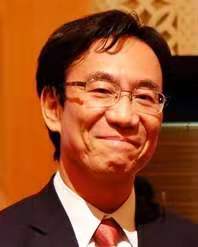
  The picture shows the Secretary-General of the China-Japan-ROK Cooperation Secretariat.

  [Editor’s Note] On December 24th, the China-Japan-ROK Leaders’ Meeting will be held in Chengdu, China. This year coincides with the 20th anniversary of China-Japan-ROK cooperation. Over the past 20 years, with the joint efforts of the governments and people of the three countries, the cooperation among the three countries has gradually deepened and expanded, with remarkable results. A few days ago, Shang Shi Dao, Secretary-General of the trilateral cooperation secretariat of China, Japan and South Korea, accepted an exclusive interview with People’s Daily and introduced the cooperation between China, Japan and South Korea.

  People’s Daily Online: The 8th China-Japan-ROK Leaders’ Meeting will be held on December 24th. This year coincides with the 20th anniversary of China-Japan-ROK cooperation. How do you evaluate the important achievements and experiences of China-Japan-ROK cooperation?

  Respect history on the road: China, Japan and South Korea have made great progress in cooperation between the government and the private sector. Intergovernmental cooperation is very active. Besides the upcoming leaders’ summit, there are 21 ministerial meetings. From the end of November to the end of the year, there will be six ministerial meetings (environment, patents, disaster management, health care, science and technology) and many practical communication meetings in five weeks. Every time I attend the meeting, I really feel that the pragmatic needs of cooperation among the three countries in various fields are quite large and beneficial to all three countries.

  Non-governmental cooperation and exchanges in culture, education, media, universities, local governments and other fields are also increasing. I think the increase of these personnel exchanges has greatly promoted the mutual understanding and understanding between the nationals of the three countries. As the secretariat of trilateral cooperation, we not only promote intergovernmental cooperation, but also actively help promote non-governmental cooperation in different fields. We also feel that it is meaningful to do so.

  People’s Daily Online: China, Japan and South Korea are major economies in Asia. In the current international situation where unilateralism and trade protectionism are on the rise, how do you evaluate the significance of strengthening cooperation between China, Japan and South Korea?

  History on the Road: It was repeatedly mentioned in the statement of the last leaders’ meeting that China, Japan and South Korea reached a consensus on strengthening the importance of a free and open multilateral trading system. The three countries have always indicated that they will make joint efforts in building an open world economic system in response to the current rise of protectionism. However, this is not a problem that can be solved by East Asian cooperation alone, but requires full consultation with other regions such as North America and Europe, so that trade and investment can develop in the right direction.

  People’s Daily Online: The "China, Japan and Korea +X" model gathers the experience and wisdom of the three countries, gives full play to their respective advantages, and actively promotes regional development. According to your observation, what early gains have been made by this model? How to effectively promote the further implementation of this model?

  The discussion on "China, Japan and South Korea +X" cooperation model is still in the initial stage, but there are several examples. As one of the results of the "+X" cooperation model, the secretariat proposed to hold the "Northeast Asia Forum on Developing Disaster Reduction Technology". The participants in the forum are not only China, South Korea and Japan, but also Mongolia, the Philippines and Indonesia. China has also put forward projects such as joint research on sandstorms and prevention of tropical diseases.

  I attended the 22nd ASEAN +3 Leaders Summit held on November 4th last year. The leaders of ASEAN countries have made many demands on China, Japan and South Korea for cooperation in environment, disaster prevention, economy and trade, small and medium-sized enterprises and other fields, which is impressive. Promoting cooperation among the three countries is our priority. Although it should be promoted on the basis of the wishes of the three countries, I think cooperation at the "+X" level is also feasible in the future.

  People’s Daily Online: As far as you are concerned, what do you want to do to further promote the cooperation process among China, Japan and South Korea?

  History on the Road: I personally have working experience in South Korea and China, and know many scholars, entrepreneurs and media people. Using this network, we can develop exchange and cooperation projects and hold activities in many fields in the future, and I also want to improve the visibility of our secretariat. At the same time, I have done a lot of writing and speaking during my stay in Korea and China, and I will take an active part in this time if I have the chance.

Beautiful scenery attracts visitors to green water and green hills. Ecological vision becomes a beautiful life.

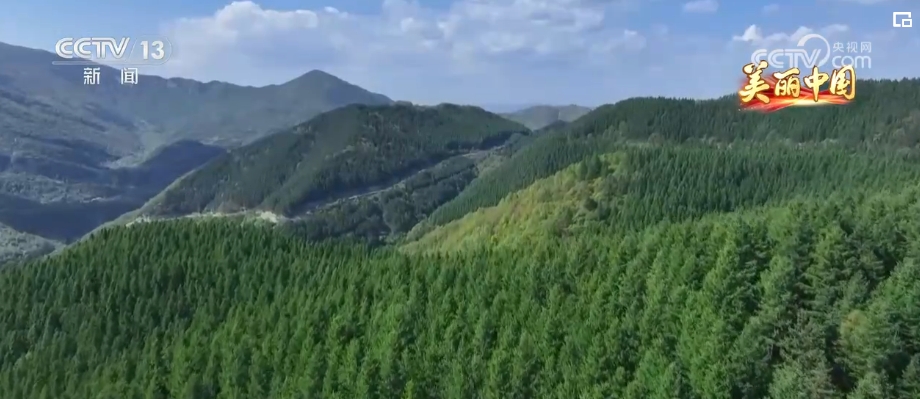
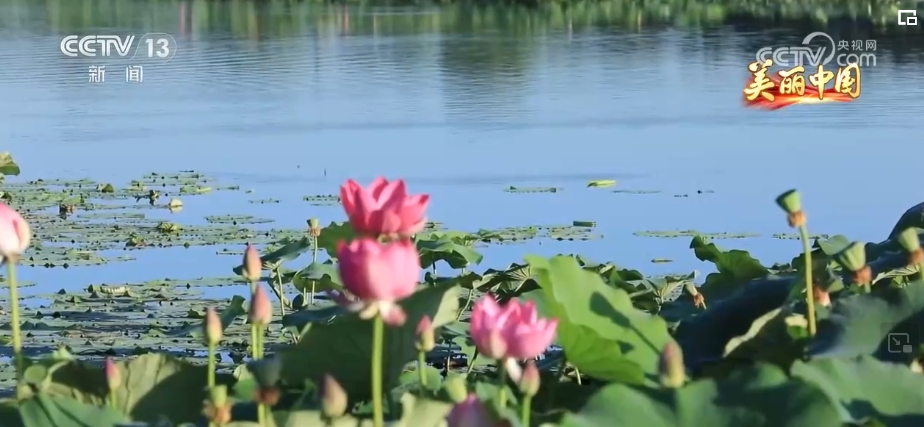
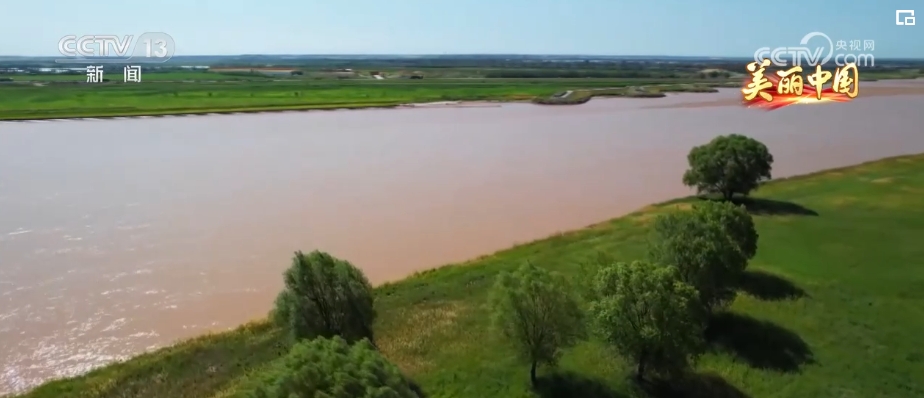
  CCTV News:The whole territory of Ningxia belongs to the Yellow River Basin, where it was born and prospered because of the Yellow River, and has the reputation of "being on the south of the Yangtze River". Since the 18th National Congress of the Communist Party of China, Ningxia has implemented the strategy of ecological priority, with the fundamental task of protecting the healthy An Lan of the Yellow River, and has continued to fight the tough battle of "zigzag bend" of the Yellow River. The water quality of Ningxia section of the main stream of the Yellow River has remained stable at Grade II for seven consecutive years.      

  In recent years, Ningxia has promoted the ecological protection and restoration of forests, grasslands, wetlands and deserts and the comprehensive management of saline-alkali land, and continued to promote the protection and restoration projects of Helan Mountain, Liupanshan Mountain and Luoshan Mountain. In 2023, 50,000 mu of mine geological environment restoration and comprehensive land improvement were completed, 1.25 million mu of forest was built, 900,000 mu of desertification land was controlled, and 282,000 mu of degraded grassland was controlled, and 10 mine restoration projects were implemented. At present, there are 3.1 million mu of wetlands in Ningxia, including 1.47 million mu of river wetlands, with the forest coverage rate of 11.35% and grassland comprehensive vegetation coverage rate of 56.8%.

  Nowadays, "being in the south of the Yangtze River" is becoming more and more beautiful, and the ecological vision of green water and green mountains has gradually become a beautiful life within reach.

  Green development, beautiful scenery and beautiful ecology attract visitors.

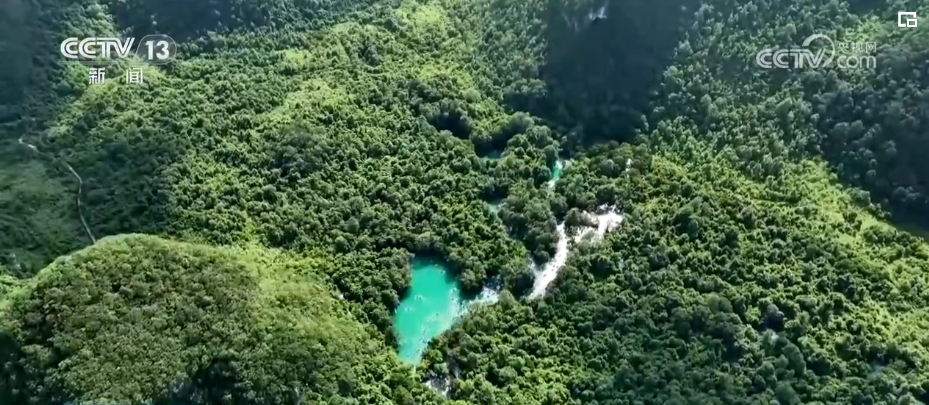
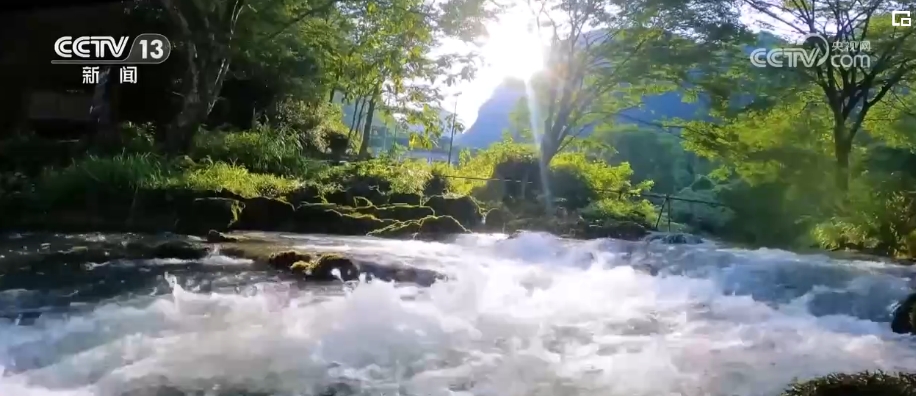
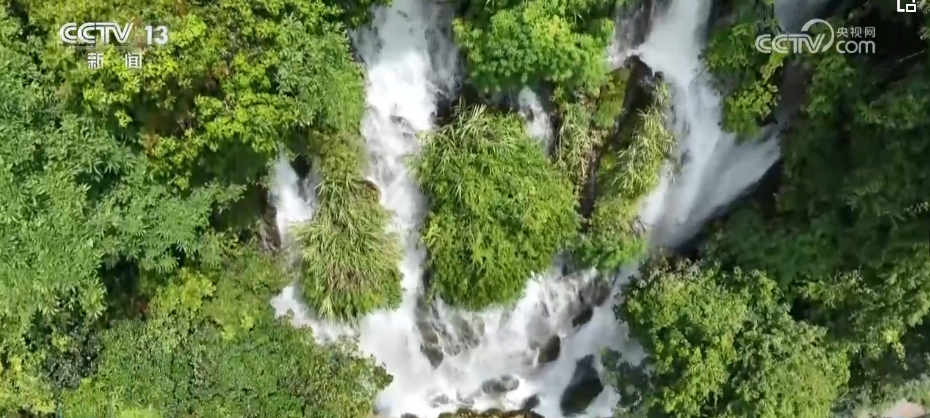
  Libo County, Guizhou Province has two world-class business cards, namely "Karst in South China" and "World Man and Biosphere Reserve", and is known as "Emerald of the Earth". Since the 18th National Congress of the Communist Party of China, Libo has vigorously implemented artificial afforestation, forest tending, transformation of inefficient forests, rocky desertification control and other projects in and around the heritage site. At the same time, master plans have been made for the protection of the heritage sites in Zhangjiang Scenic Area and Maolan National Nature Reserve. During this time, Libo, Guizhou entered the tourist season.

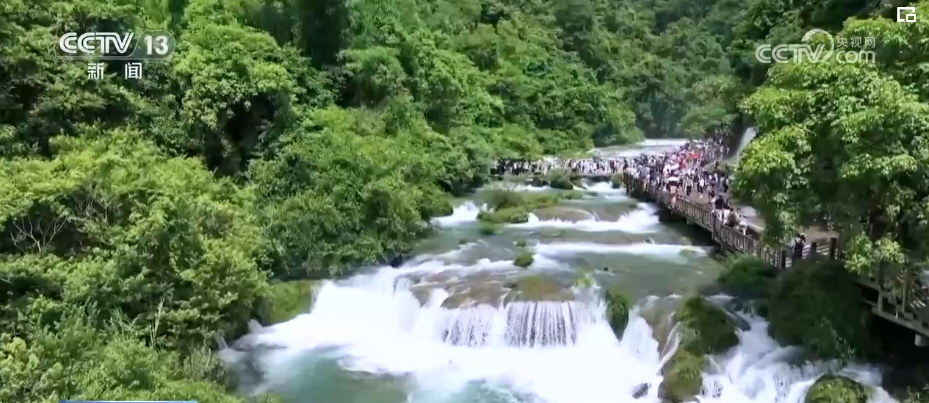
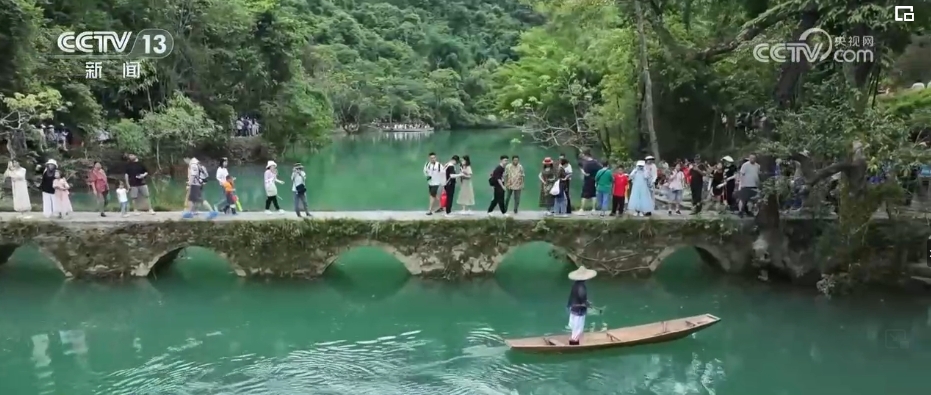
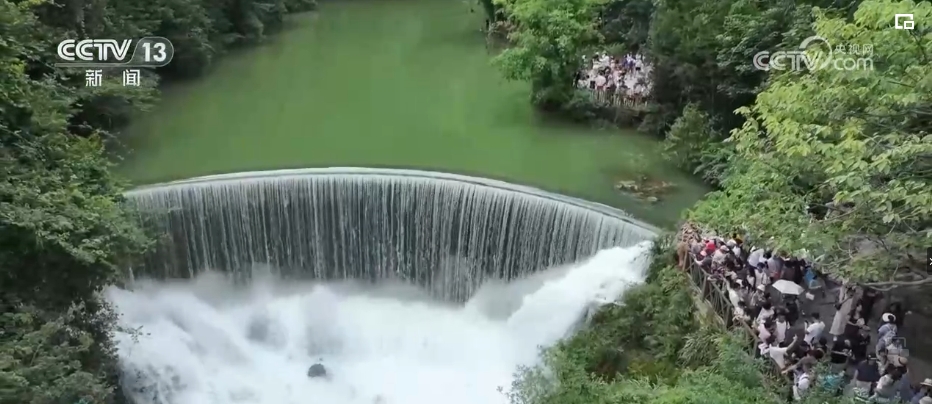
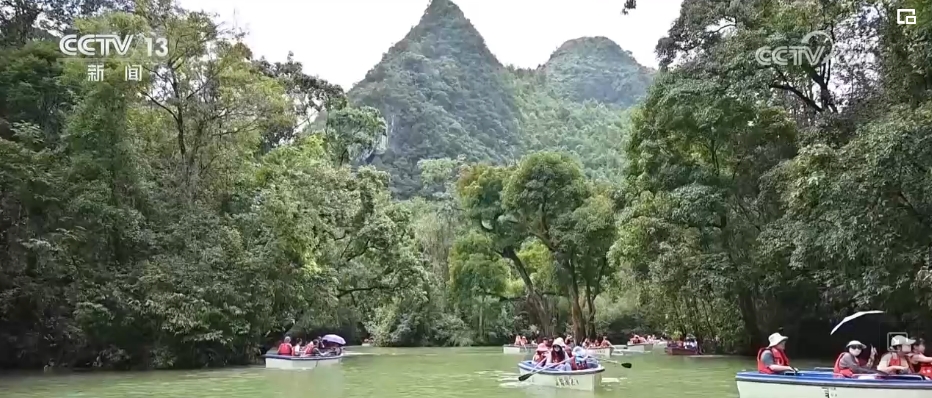
  During the tourist season, Seven Small Arches Scenic Area receives more than 35,000 tourists every day.

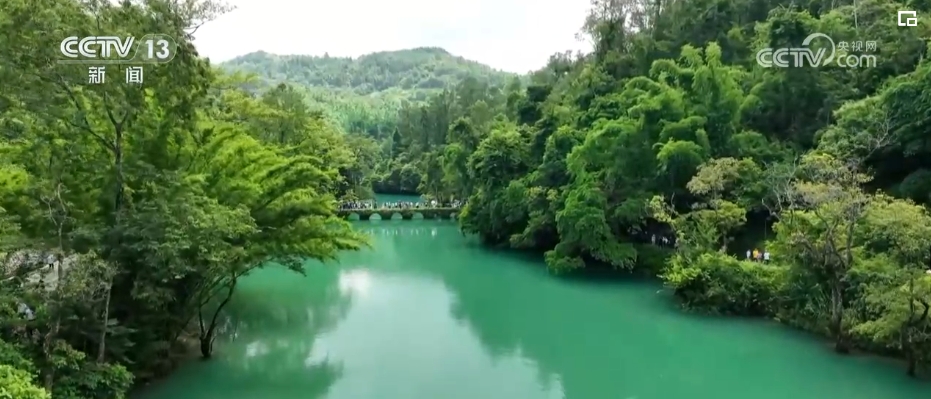
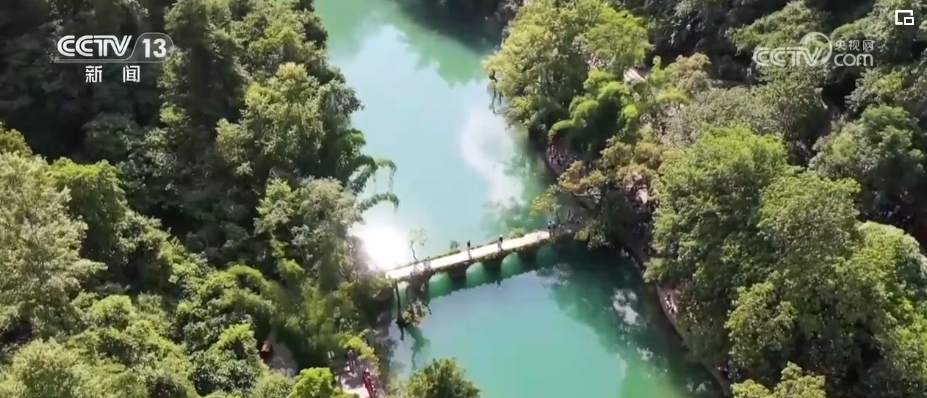
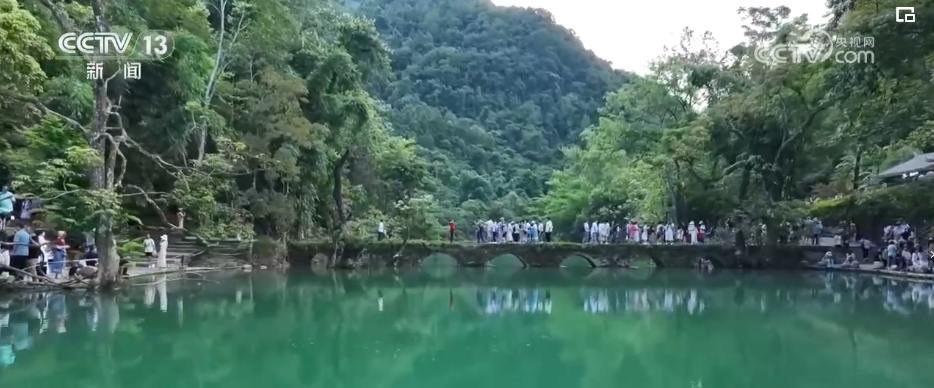
  Seven Small Arches Scenic Area is surrounded by mountains. This seven-hole ancient bridge across Xiangshui River was built in Daoguang period of Qing Dynasty. Walking on the ancient bridge, in the mountains and rivers, it seems to condense time and years.

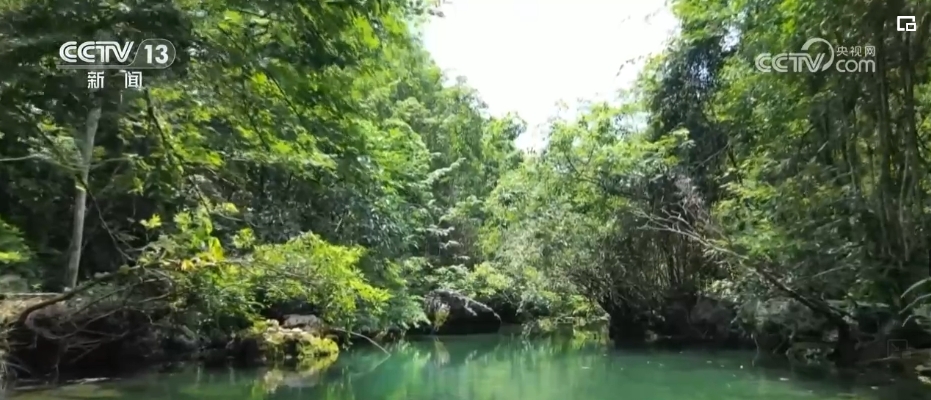
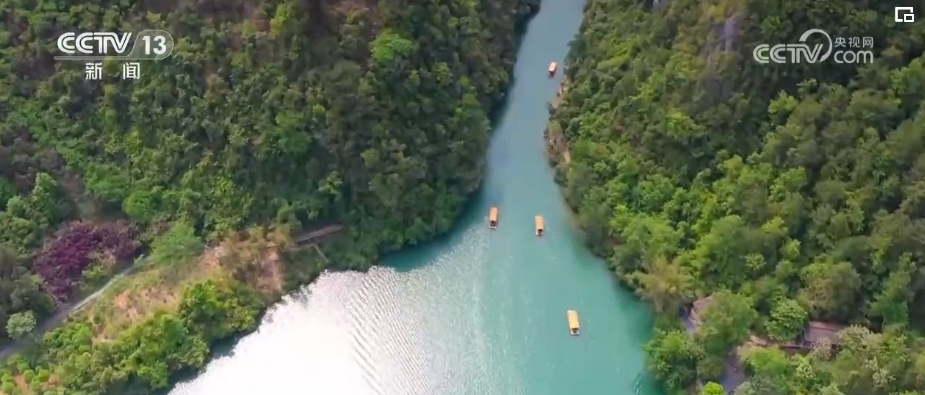
  It is understood that the forest coverage rate of Seven Small Arches Scenic Area has reached 92%. The water here is deep or shallow blue-green, because it contains a lot of calcium and magnesium ions.

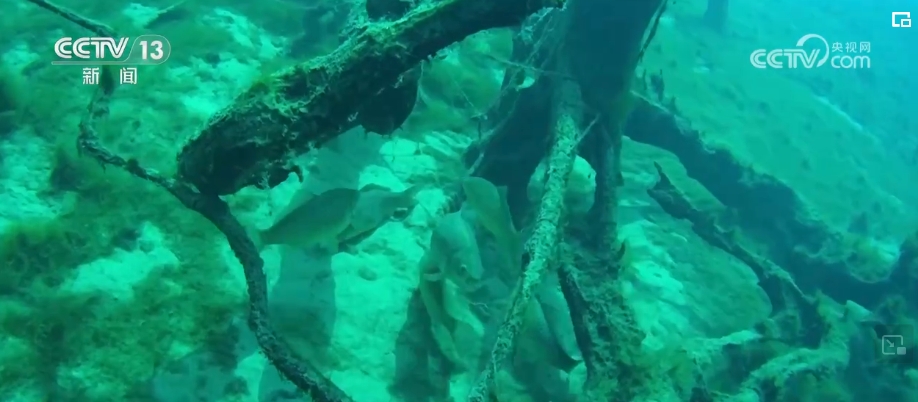
  Through the perspective of underwater drones, you can see groups of fish swimming in the water. In recent years, several new fish species have been discovered in Seven Small Arches. Surrounded by the jungle, the seven-hole ancient bridge is clearly reflected on the water, and the landscape bridge is integrated, which seems to silently tell the story of harmonious coexistence between man and nature.

  During this time, Libo, Guizhou entered the tourist season. Only Seven Small Arches Scenic Area receives more than 35,000 tourists every day on average, and the scenic area adopts the way of full-scale online real-name reservation to divert and limit the flow to increase the experience of tourists.

  Delineating ecological red line, zoning and hierarchical management

  The beauty here is closely related to people’s protection, in addition to the giving of nature. The area within the red line of ecological protection in Libo is over 1205 square kilometers, accounting for 49.91% of Libo’s land area.

  People protect the ecological environment like eyes and treat it like life. According to the nature of the reserve, the local area is divided, protected and controlled at different levels. The Maolan National Nature Reserve is divided into core area, buffer area and experimental area. Seven Small Arches Scenic Area belongs to Zhangjiang Scenic Area, which is divided into four levels of protected areas for protection.

  Grid management of tourism to increase people’s income

  In recent years, Seven Small Arches Scenic Area is exploring the transformation of ecological advantages into economic advantages. How to realize environmental protection while vigorously developing tourism? At present, the whole scenic spot has been managed by grid, with a total of more than 100 grids. In addition to the sanitation and cleaning in the area, the grid workers are also responsible for guiding and reminding tourists.

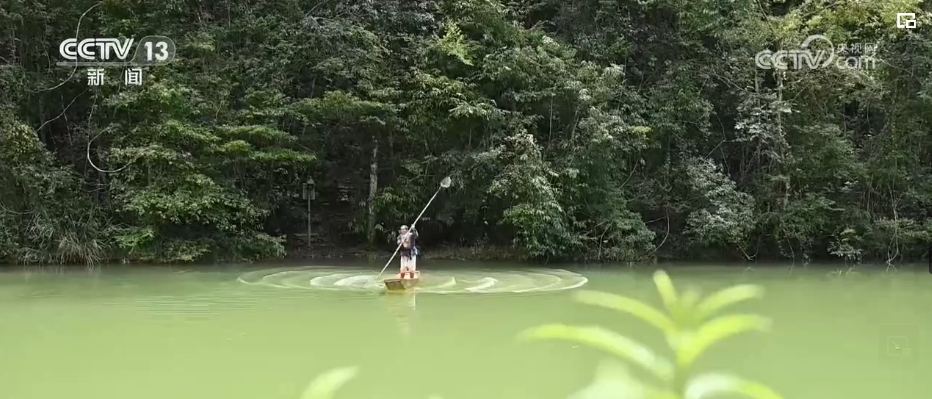
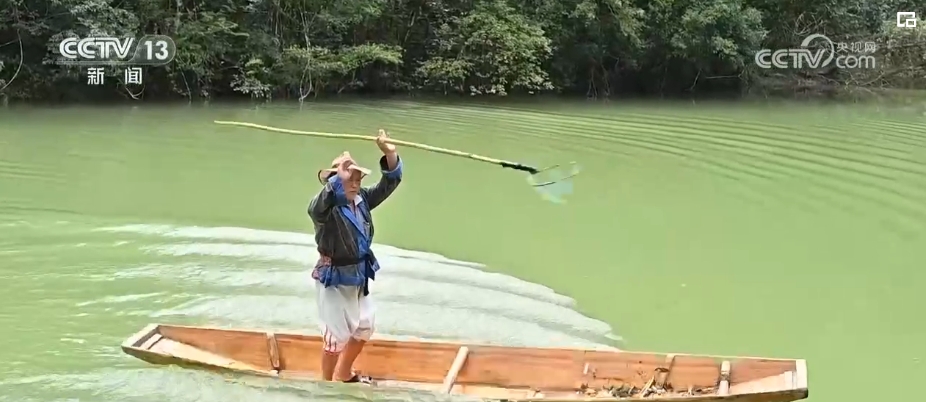
  Wolongtan is one of the grids. The grid worker here is a Yao people. His family used to be a poor household and became a grid worker through tourism. While cleaning up the lake area, he also performed folk dances for tourists to interact and become a landscape in people’s eyes. In Libo County, more than 10,000 people have lived a well-off life by getting rid of poverty and increasing their income through tourism.

  Develop in protection and protect in development.

  Development in protection and protection in development are also reflected in every detail. In the water forest of Yuanyang Lake, the ancient trees in the water are surrounded by small wooden sticks to prevent the cruise ship from hitting the ancient trees. Small sticks on the periphery of ancient trees are equivalent to "protective clothes" for them. In addition, the scenic spot is also in the section where ancient trees are concentrated, and a clearance area that can only be visited on foot is drawn.

  Now, standing at a new starting point, the local authorities focus on three elements: resources, customers and services to improve the management level, enrich the tourism format, strive to build a world-class tourist attraction, and let the beautiful landscape enter more people’s horizons.