"The rule of China", what do experts say?
Cctv news(Focus Interview): the Central Committee of the Communist Party of China’s Decision on Several Major Issues Concerning Upholding and Perfecting the Socialism with Chinese characteristics System and Promoting the Modernization of the National Governance System and Governance Capacity, adopted at the Fourth Plenary Session of the 19th CPC Central Committee, pointed out the direction of efforts to uphold and improve the Socialism with Chinese characteristics system and promote the modernization of the national governance system and governance capacity, and defined the timetable and road map for us to promote all aspects of the system to be more mature and stereotyped. What should the future "rule of China" adhere to and consolidate, and what should it improve and develop? Starting today, Focus Interview will explain this in detail.
The leadership system of the party
In the Central Committee of the Communist Party of China’s Decision on Several Major Issues Concerning Upholding and Perfecting the Socialism with Chinese characteristics System, Promoting the Modernization of the National Governance System and Governance Capacity, 13 parts were arranged for upholding and perfecting the fundamental system, basic system and important system that supported the Socialism with Chinese characteristics system, and the fundamental points, improvement and development directions that each system must adhere to and consolidate were clarified, and work arrangements were made. Among them, the first one is to "uphold and improve the party’s leadership system and improve the party’s scientific, democratic and legal governance."
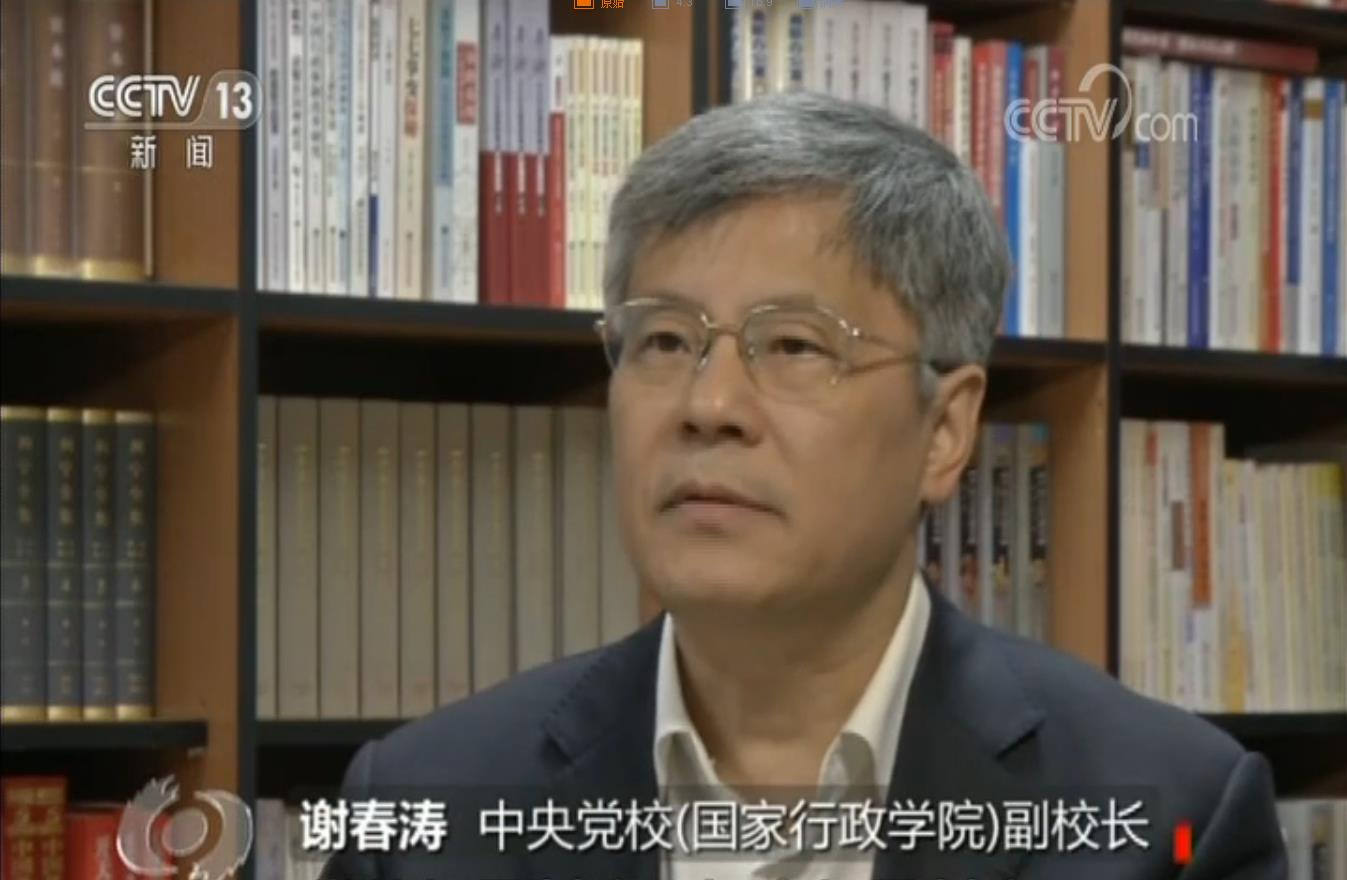
Xie Chuntao, vice president of the Central Party School (National School of Administration), said that the party’s leadership system is the fundamental leadership system and has a leading position and role. People’s Republic of China (PRC) was established under the leadership of the Communist Party of China (CPC), and the Socialism with Chinese characteristics system was also established and developed under the leadership of the Party. All aspects of the system, all aspects of the governance system and ability, all depends on the leadership of the party, all depends on the promotion of the party, so the leadership of the party has the primary position in the Socialism with Chinese characteristics system and the national governance system.
How to uphold and improve the party’s leadership system and improve the ruling level? The "Decision" puts forward six requirements, namely, the establishment of Do not forget your initiative mind, the system of keeping in mind the mission, the improvement of the systems of firmly safeguarding the authority of the CPC Central Committee and centralized and unified leadership, the improvement of the party’s overall leadership system, the improvement of the systems of governing for the people and relying on the people, the improvement of the party’s ruling ability and leadership level, and the improvement of the system of strictly administering the party in an all-round way.
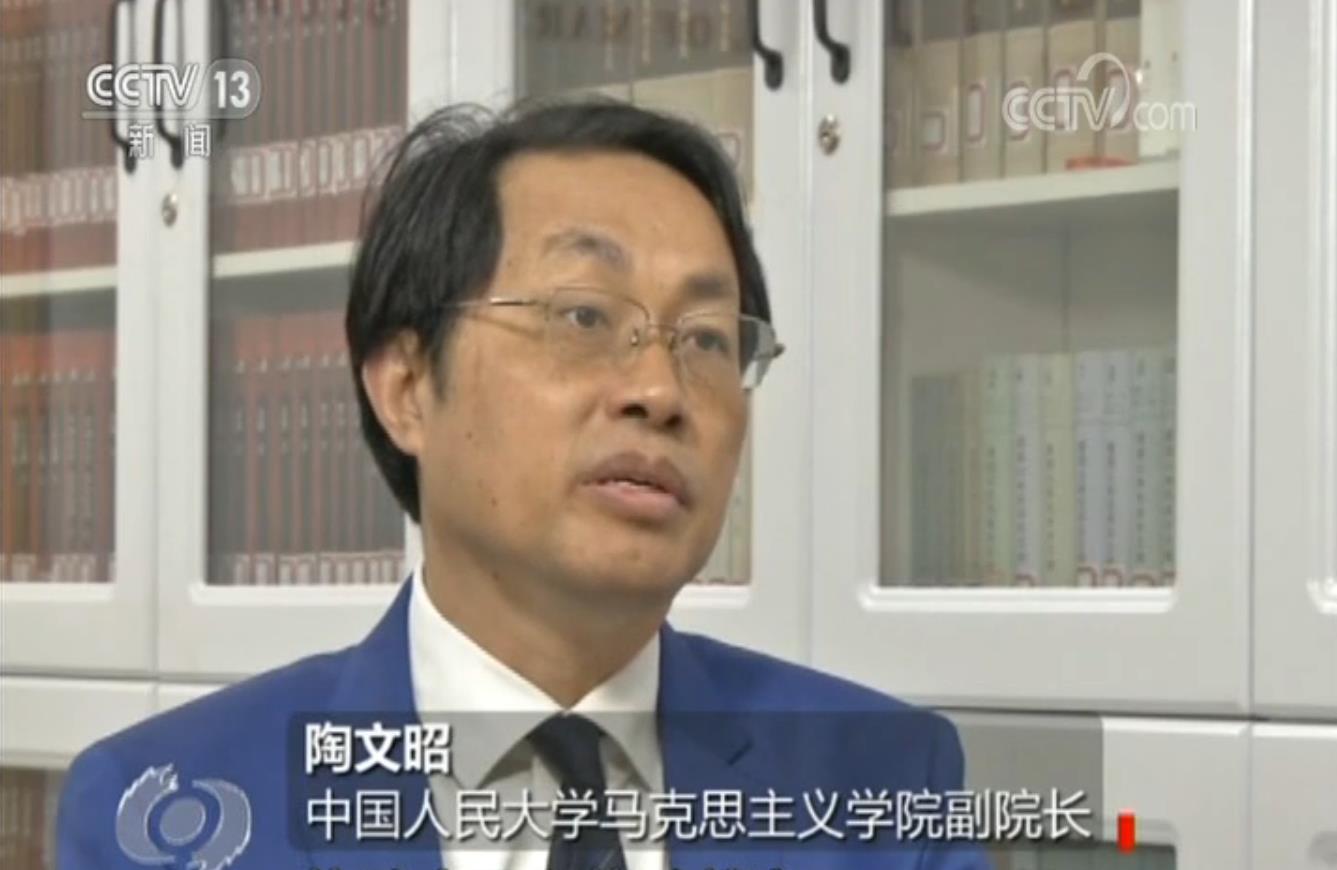
Tao Wenzhao, deputy dean of the School of Marxism of Renmin University of China, said that from never forgetting one’s initial intention to maintaining the authority of the CPC Central Committee and centralized and unified leadership, to overall leadership, to serving and relying on the people’s leadership, to improving one’s own ruling level and ability, and finally to strengthening party building, these aspects summarized some basic aspects of party leadership, including inherent importance logic, theoretical logic and practical logic.
Xin Xiangyang, vice president of the Institute of Marxism of China Academy of Social Sciences, said that in the past, we have established some mechanisms and systems. If these policy mechanisms and systems want to play a greater role in the future, they must form a scientific system and its efficiency will be higher. In fact, this reflects some achievements of the all-round promotion of party building and forms a system in six aspects.
Among these six requirements, the first one is to establish a system of Do not forget your initiative mind and keeping the mission in mind. Although the initial intention and mission have been mentioned repeatedly since the 18th National Congress of the Communist Party of China, the 19th National Congress of the Communist Party of China pointed out at the beginning that the theme of the congress is Do not forget your initiative mind, remember the mission, and at present, the educational activities on the theme of "Do not forget your initiative mind, remember the mission" are being carried out, but the establishment of this system is unprecedented and groundbreaking.
Xin Xiangyang said that an important achievement of theme education is that we can establish a system in this area, and the experience we have gained should be further used for a long time. This time, the "Decision" particularly emphasized that Do not forget your initiative mind and keeping the mission in mind should be regarded as the eternal task of our party and the lifelong task of every party member. To make it an eternal and lifelong subject, it is impossible without institutional guarantee. Therefore, clearly emphasizing the establishment of this system is to adapt to the initial mission of the party to face the future, realize the great rejuvenation of the Chinese nation, and constantly seek happiness for the people. It is also a key to ensure that the initial mission can be truly implemented.
Xie Chuntao said that this is a general requirement, not only for the party’s leadership system, but also for all aspects of the system, so that party organizations at all levels and leading cadres at all levels can truly follow the requirements of "Do not forget your initiative mind, keep in mind the mission".
In the other five aspects, it summarizes "what to uphold and consolidate" and "what to improve and develop" to uphold and improve the party’s leadership system and improve the ruling level.
Tao Wenzhao said that since the 18 th National Congress, efforts have been made to promote all aspects of work. Some have done well and should be consolidated; Some of what is being done should be further improved; Some central authorities have made some macro arrangements, but in terms of specific implementation, policies and measures need to be further refined.
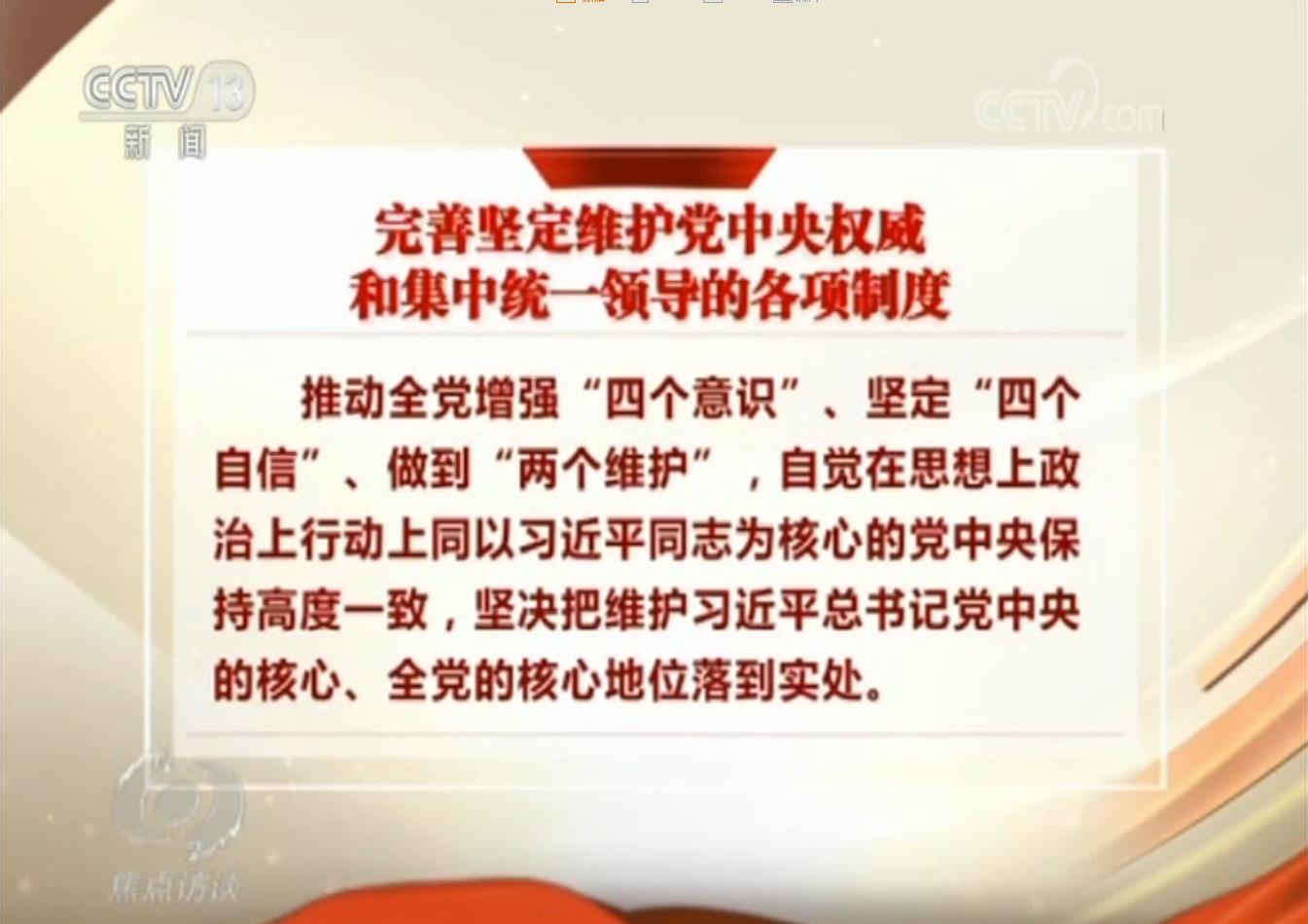
For example, improve various systems that firmly safeguard the authority of the CPC Central Committee and centralize and unify leadership. The "Decision" requires that the whole party be urged to strengthen the "four consciousnesses", strengthen the "four self-confidences" and achieve the "two safeguards", consciously maintain a high degree of ideological, political and operational consistency with the CPC Central Committee with the Supreme Leader as the core, and resolutely implement the core position of the CPC Central Committee and the whole party.
Party and state supervision system
The first significant advantage of China’s national system and national governance system is to adhere to the centralized and unified leadership of the party. Since the 18th National Congress of the Communist Party of China, remarkable achievements have been made in comprehensively administering the Party strictly. This time, the "Decision" not only puts forward "to improve the system of strictly administering the party in an all-round way", but also puts forward "to uphold and improve the supervision system of the party and the state and strengthen the restriction and supervision of the operation of power". What is the meaning of this?
Xin Xiangyang, vice president of the Marxist Institute of China Academy of Social Sciences, said that it is very important for the Party to be in power for a long time. If the supervision system is not perfect, it will not achieve the goal and long-term governance may be affected. It is precisely because it plays an increasingly important role in party building that it shows its importance by placing it in an institutional system alone. This importance was mentioned by the Fourth Plenary Session, and it is a very important institutional guarantee system for our party to realize itself, improve itself and develop self-purification in the process of long-term self-supervision.
How to uphold and improve the supervision system of the party and the state? The Decision of the Central Committee of the Communist Party of China on Upholding and Perfecting the Socialism with Chinese characteristics System, Promoting the Modernization of the National Governance System and Governance Capacity has made clear arrangements and arrangements from three aspects: perfecting the supervision system of the Party and the State, perfecting the power allocation and operation restriction mechanism, and building an integrated system and mechanism that does not dare to rot, cannot rot and does not want to rot, thus tightening the "cage of the system" for the operation of public power.
Tao Wenzhao, deputy dean of the School of Marxism of China Renmin University, said that the supervision system, administrative decentralization and anti-corruption are all important aspects being done in recent years, and they are also the work to be further strengthened in the future.
In terms of supervision of power, the Decision clarifies the reform path to improve the supervision system of the Party and the state, that is, strengthening political supervision, strengthening supervision and inspection of the implementation of the Party’s theory, line, principles and policies, and major decision-making arrangements, and improving the reporting system for inspection and rectification and supervision. We will promote the overall integration of discipline supervision, supervision supervision, stationed supervision and inspection supervision, and at the same time, with inner-party supervision as the leading factor, we will promote the organic integration and coordination of supervision by people’s congresses, democratic supervision, mass supervision, public opinion supervision and audit supervision.
Xin Xiangyang said that whether the Party’s theory has been thoroughly understood, whether it has been really implemented, whether the Party’s major decisions have been really deployed, whether they are original after deployment, or whether they are distorted will directly affect the development of the Party’s entire cause. In the past, we sometimes paid great attention to business supervision, but our awareness of political supervision was relatively weak. Now it is very important to put political supervision in a high position. Only when the direction of political supervision is correct and effective can we ensure the smooth progress of other supervision.
In terms of restricting the allocation of power, the Decision puts forward three principles of "statutory power and responsibility, transparent power and responsibility, and unified power and responsibility". By clarifying the power boundary, promoting the openness of the right to use, and improving the accurate accountability mechanism, the power rent-seeking space is reduced and the root cause is deepened. In terms of anti-corruption system and mechanism, the "Decision" emphasizes the need to build an integrated system and mechanism to promote non-corruption, dare not rot, and do not want to rot.
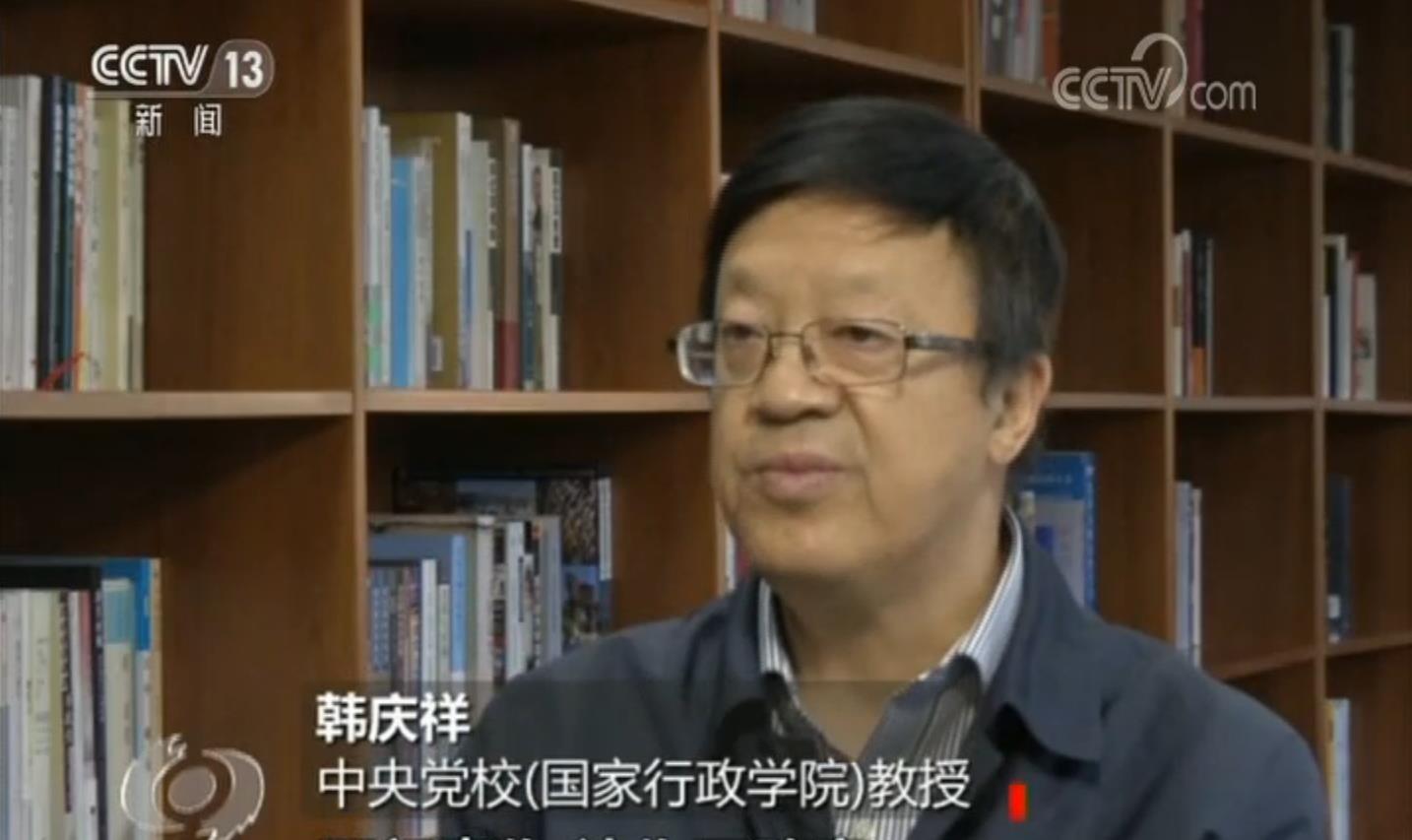
Han Qingxiang, a professor at the Central Party School (National School of Administration), said that to establish a system that does not dare to rot means that once something goes wrong in this respect, you should be held accountable so that you do not dare to rot. Establishing an institutional system that does not want to rot is to strengthen party spirit construction and moral construction. Party member should stress party spirit, maintain its advanced nature, maintain its purity, keep party spirit in mind, and keep the party’s ideals and beliefs in mind. If it is internalized in the heart, it will not be corrupted. Establish a system that cannot be corrupted. Now there is an accountability system, a patrol system, and a disciplinary system. If something goes wrong, you have to pay the price, so that you dare not rot. A series of system design and top-level design are carried out from these three aspects.
The "Decision" clearly points out the interest chains and fields with high incidence of corruption, and calls for resolutely investigating and dealing with corruption cases where political issues and economic issues are intertwined, resolutely cutting off the interest chains of "hunting" and being willing to be hunted, and resolutely breaking the relationship network of power and money transactions. We will deepen the treatment of both the symptoms and the root causes, and promote the reform of supervision mechanisms and system construction in key areas such as examination and approval supervision, law enforcement and justice, engineering construction, resource development, finance and credit, public resource transactions, and public financial expenditure.
Han Qingxiang said that the key areas of corruption are those who have great power and important resources, and some people with vested interests. It is relatively easy to change others’ lives, but it is more difficult to change their own lives. Therefore, the general secretary said that today we have encountered a tough nut to crack. Our reform is to tackle the problem in deep water and break the wrist of a strong man, that is, people involved in some vested interests and key fields.
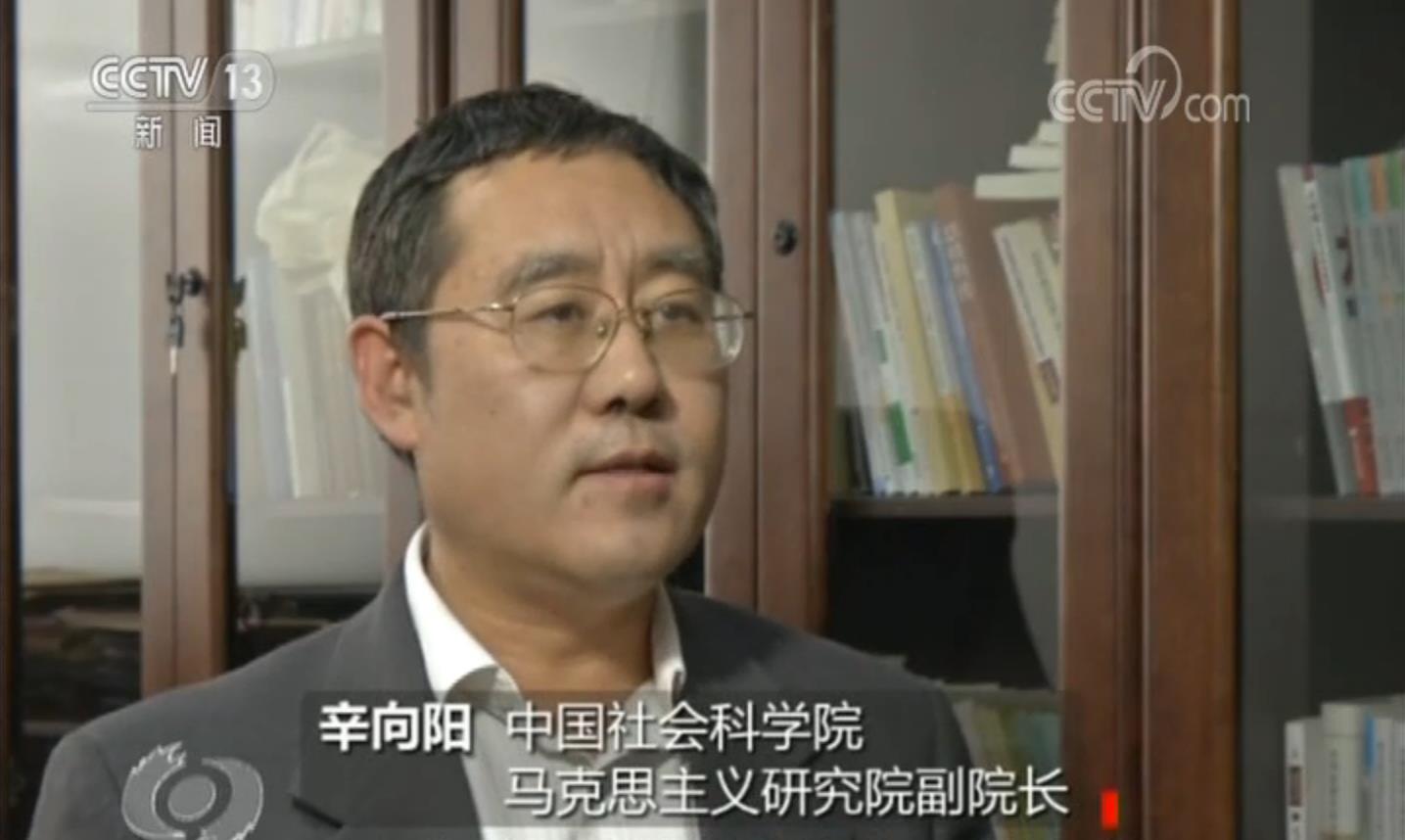
Xin Xiangyang said that in the construction of institutional mechanisms in these areas, more powerful measures should be taken to make the system more perfect, the chain clearer and the coverage wider. It should be emphasized that taking stronger measures in these key areas can curb and greatly reduce the possibility of corruption, which is a very important task for us now.
The Communist Party of China (CPC)’s leadership is the most essential feature of Socialism with Chinese characteristics, the greatest advantage of the Socialism with Chinese characteristics system, and the Party is the highest political leadership. We must adhere to the Party, government, military and civilian studies, the East, the West, the North and the South, and the Party is in charge of everything, resolutely safeguard the authority of the Party Central Committee, improve the system of the Party’s leadership that takes the overall situation into account and coordinates all parties, and implement the Party’s leadership in all fields and aspects of state governance. This requires constantly upholding and improving the system of party leadership, the supervision system of the party and the state, ensuring the health of the party’s body and ensuring that the power entrusted by the party and the people is always used to seek happiness for the people.