The details of "What’s in the Black" are restored in the 1990s without mito Xiu Xiu.

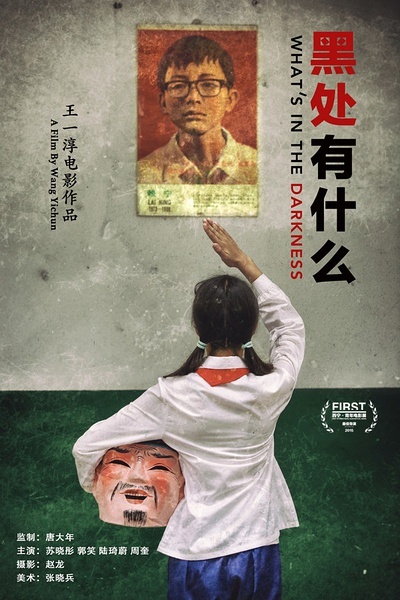
Special feature of 1905 film network Among the many blockbusters that will appear tomorrow, female directors’s first film, which is not from a regular class, may not be impressive. Besides, this movie has a strange name — — What’s in the dark.
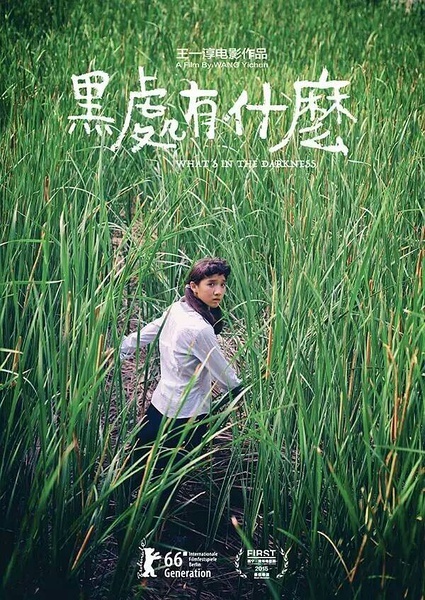
It is such a slightly green debut that won the Best Director Award at this year’s FIRST Youth Film Festival and was praised by Jiang Wen as "a rare work that is so calm, so bad and so absurd". It seems that he saw the shadow of Sunny Days.
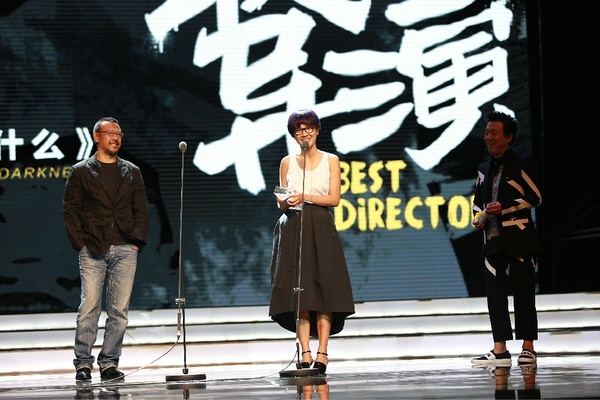

Jiang Wen presented Wang Yichun with the Best Director Award of FIRST Youth Film Festival.


In 1991, a serial rape and murder case occurred in the family area of Henan Zhongyuan Aircraft Factory as a clue, but the film is a slightly absurd growth process of 14-year-old girl Qujing. As written in the poster — — This is not the China version of memories of murder, but the story of a girl growing up wrapped in a bloody murder case.


There is no tearing, melodramatic and abortion, which are common in domestic youth films. The biggest highlight of the film is that in the early 1990s, the small society of state-owned factories was restored and reproduced as accurately as a scalpel. Wang Yichun, the director, once said that she wanted to "restore an unadorned and beautiful Xiu Xiu’s 1990s". Touching memories of youth about the best and worst 1990s with the clues laid out in the film.


[clothing]:

When the white shirt and red scarf meet the flowered shirt and jeans


    What’s in the Black shows the early 1990s, which can be said to be the era of Chinese’s fashion awakening. Flower shirts, jeans, miniskirts, bell bottoms, and large shoulder pads were all fashion weathervanes of that era. In the movies of that year, it was everywhere.
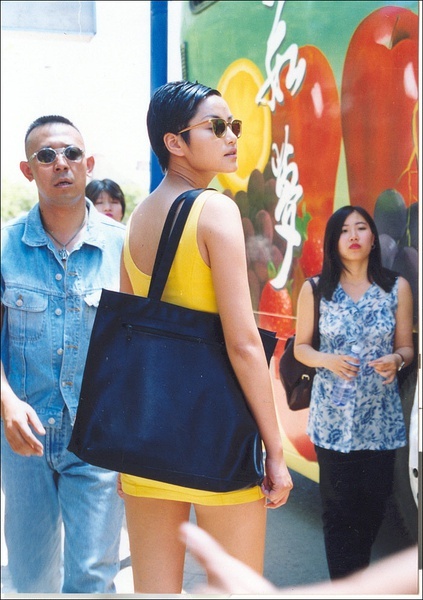
 

Qu Ying, who has short hair and Jiang Wen, who is dressed in jeans, is at the forefront of fashion.
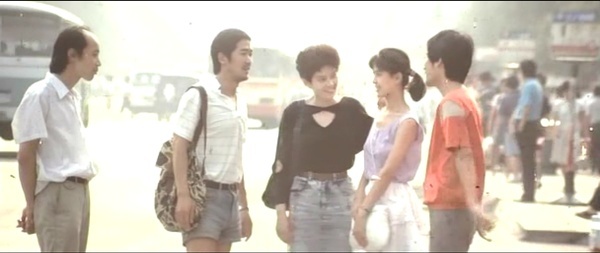

Zhang Guoli shows 100 ways to wear denim shorts in The Stubborn.
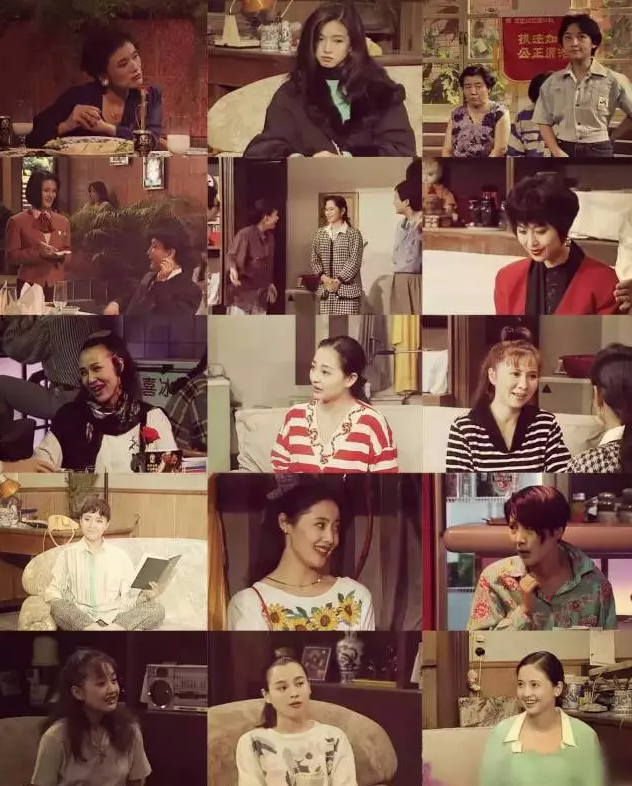

The sitcom I Love My Family is simply an encyclopedia of fashion in the 1990s.

   In the small town of Henan where What’s in the Black happened, most of these so-called "fashion" items are exclusive labels of "bad children".


    Zhang Xue, a repeater, and Zhao Fei, a punk, are leading the fashion of the small town. Whether it is a polka-dot tunic dress, a flowered shirt with jeans, or a pair of bright red high-heeled sandals, they are in sharp contrast with ordinary students’ white shirts, red scarves with suspenders, and they are also incompatible with the conservative and traditional aesthetics of the small town.
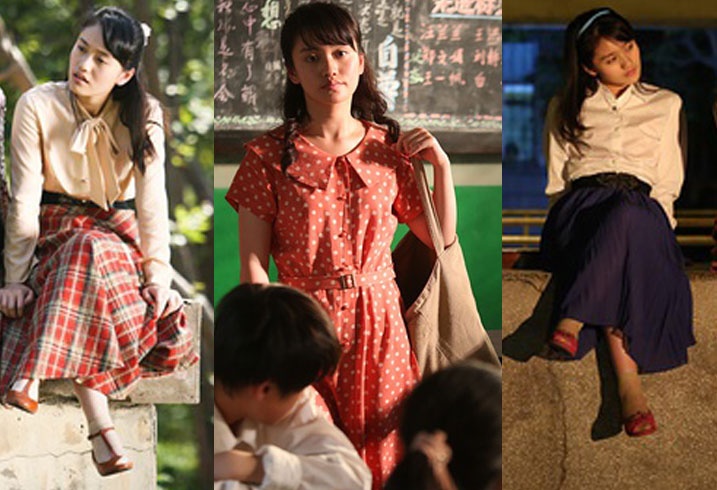


    Zhang Xue is dressed like this, while flowers from other countries are dressed like this. …
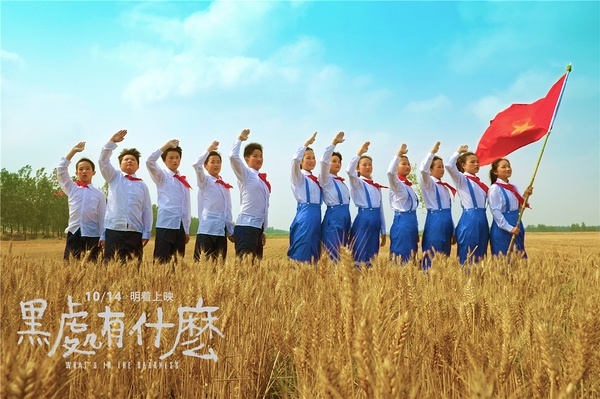

    When Qujing, the heroine, asked her parents for a pair of jeans, her parents instantly turned on the spit mode.


    Mom: "It’s tight and hard, and it doesn’t grow long", while Dad simply said: "What jeans and donkey jeans? Aren’t they just the pants of the old denim? When will they become good things?" On the other hand, Zhang Xue’s mature dressing style was also pointed at by male students because of her prominent chest.


filmOne of the important scenes in the movie — — The town barber shop is also full of the flavor of the times, with colored plastic curtains hanging at the door and photo posters of Hong Kong and Taiwan stars plastered on the walls.
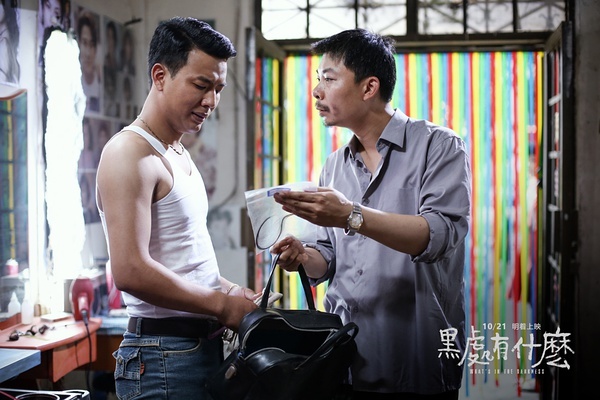


The first experience of the woman’s perm was based on Zheng Yuling, the "Do Sister" who was very popular at that time. Although it ended in tragedy.


    It was also popular that year. …
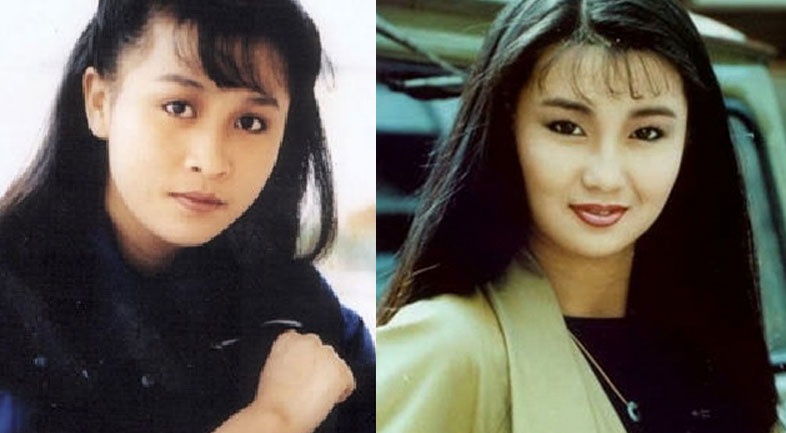
Air, Liu Haier, whatever, they left over from playing.
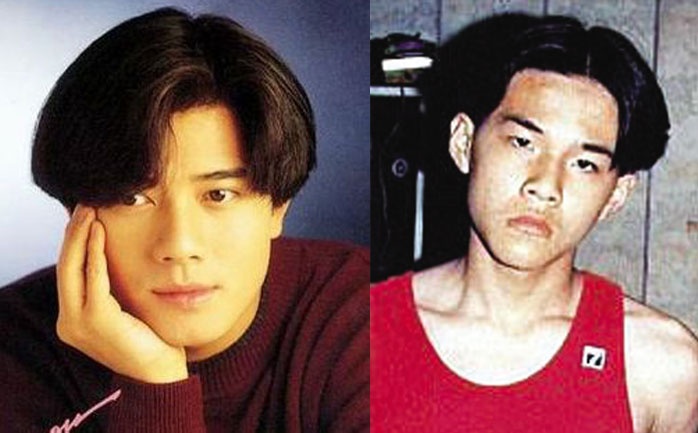

Seller show and buyer show (you are not mistaken, this is Jay Chou)

    The film’s description of the details of makeup is also very intriguing. Qu Jing, the opening song, is often painted with heavy makeup of red mouth’s red face when she participates in various performances of the choir. Only when she steals the beauty cream from her mother Yong Fang, does she really discover the significance of makeup to the growth of girls.

[Culture]:

Beyond in the Walkman and Peach in the Video Hall


   The golden songs of the 1990 s are a necessary routine for nostalgic youth films. "What’s in the Black" also uses three golden songs to string together seed of love, the heroine of Qu Jing.


    First, the little girl danced and sang Little Tiger’s Green Apple Paradise and Aaron Kwok’s I can’t finish loving you.
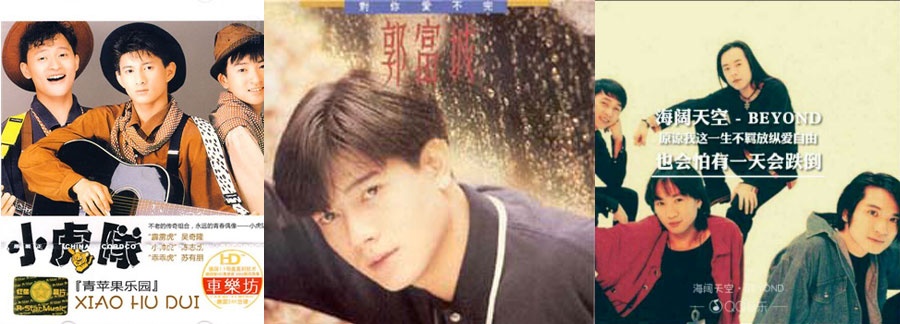

Then Qu Jing heard Beyond’s "Broad Sky" for the first time in the walkman of the boy who secretly loved her, and also experienced the feeling of love for the first time. After that, the abandoned roof became a stage for two people, who sang together in nonstandard Cantonese: "Forgive me for my unruly love and freedom in my life."


In an interview, the director once said that Beyond was the favorite of her youth, so it had a special position in the film. Beyond made me realize that songs can be sung like this.
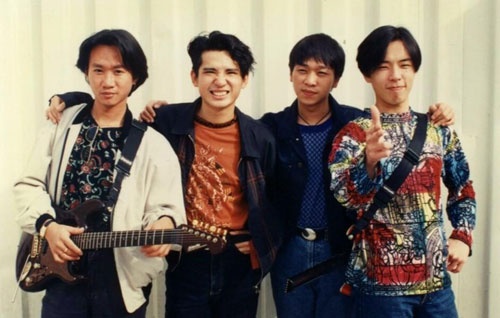
In addition, movies such as Once in a Thousand Years, A Dream of a New Mandarin Duck and Butterfly, About Winter and running with the bulls are all background sounds with strong flavor of the times. In the song of Chyi Yu’s "Olive Tree", Zhang Xue also published a declaration of freedom that "I will leave this broken place to wander in the morning and evening".
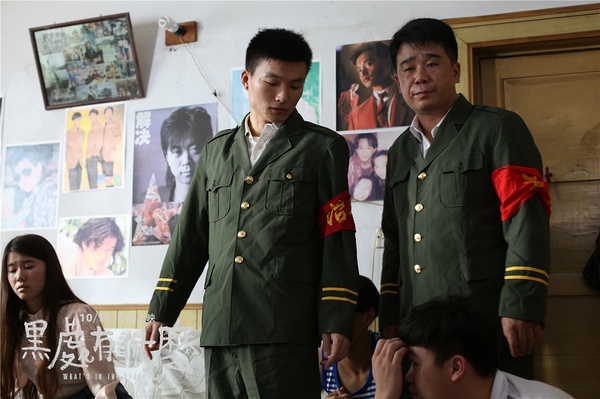
How many posters on the wall are yours, memories of youth?

Interestingly, these golden songs of Hong Kong and Taiwan, which represent popular culture, are in sharp contrast with Dedication of Love sung by the school choir and Embroidered Red Flag hummed by my mother, reappearing the interweaving and collision between the main theme of that era and popular culture.

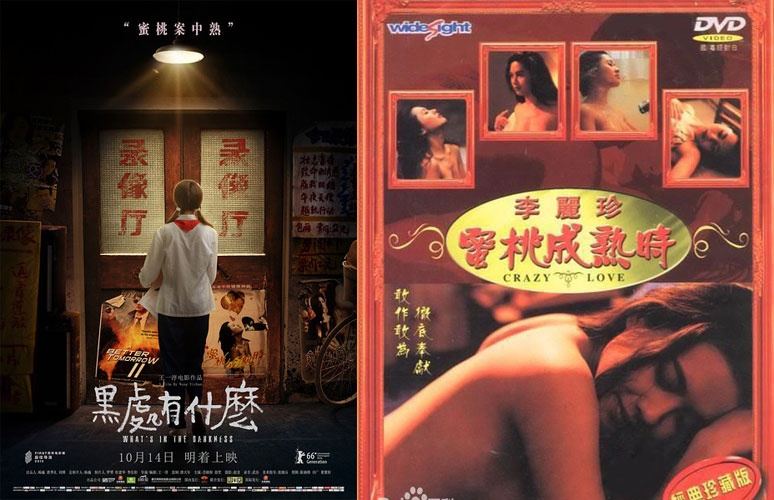
    Another cultural symbol in the film is the video hall full of taboos and temptations. The door is covered with posters of erotic films, whose names are quite hot, and you can smell the smell of mildew and tobacco through the screen.

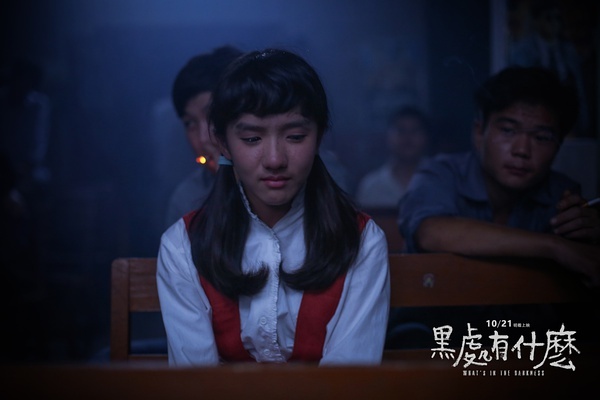
The little girl in a white shirt and red skirt is crying in the video hall when the peach is ripe, which is very surreal and absurd. But I’m afraid that many people in that era had completed the so-called youth enlightenment in such places and films.
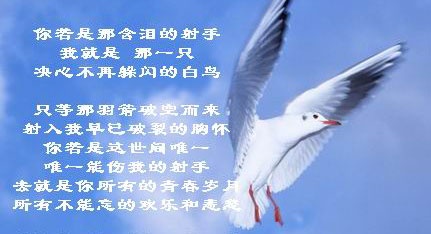
    If you think that Zhang Xue is just an uneducated poor student, it is all wet. Zhang Xue once solemnly educated Qujing to read more literary masterpieces, cultivated his sentiment and improved his temperament. He was a literary youth who yearned for freedom and ideals. The poem she read in the playground is Xi Murong’s Death of Bai Niao. Rehearsing with Qu Jing is an excerpt from A Dream of Red Mansions, but she has to play the second grandma, and Qu Jing is just a Pinger.
[educational article]

Chinese Education and Lost "Sex"


In the film, the victim’s thighs were painted with red crosses, and the students teased Jiang Si, a poor student, just like the red cross behind his name on the evaluation list. These symbolic big red crosses and big red flowers show the polarized cognition of teachers and parents about "bad students" and "good students" at that time, and the standard of judgment is often only grades.
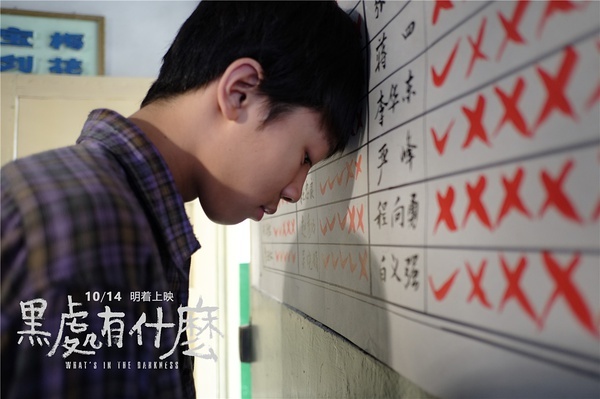
In my mother’s view, Qu Jing’s award for learning Lei Feng’s exemplary role is far less valuable than that of "three good students". After learning that poor student Zhang Xue may be killed, the teacher’s attitude is: "I hope everyone will take Zhang Xue as a warning and devote themselves to learning."


Wang Yichun, the director, once said in an interview, "The murderer can be everyone: because families and schools judge good or bad education by their grades, and neglect and disrespect for’ bad students’ creates a bad soil. Cold violence from every corner of the family and school and disregard for individual dignity are fueling the evil flowers in the dark. "


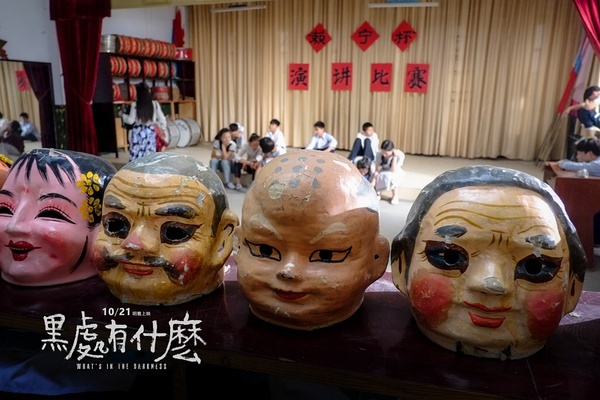
   "Formalization" is a point that often arouses us to smile in movies. Those loud slogans and emotional speeches are like "big-headed dolls" running through the film. Every face is filled with exaggerated happy smiles, but there always seems to be some absurdity, hypocrisy and gloomy unreality behind the smiles.
In addition, Qujing’s typical Chinese education is also reflected in his parents’ indifference to adolescent sex education. In the eyes of parents, sex is "something off the table". Qujing was slapped for playing with her mother’s menstrual belt, and was scolded by her father for cheating on her and sitting in the back seat of her bike, but her parents never told her why.
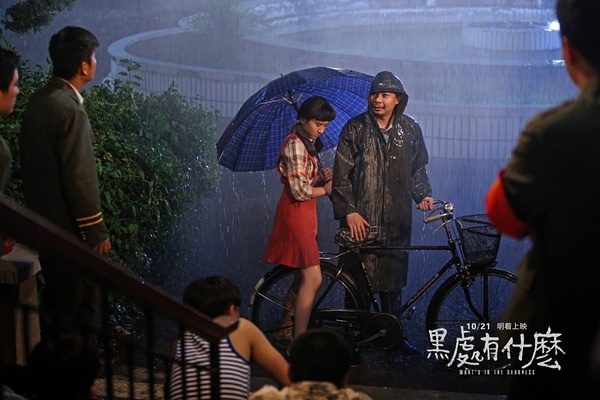
   

Qujing and seed of love, a senior boy, were regarded as "puppy love" by their father, and even more directly reprimanded "there is no fucking friendship between men and women in this world".


In the film, Qujing, like many girls in that era, learned about sex from books, video halls and classmates, but only had no parents and teachers.

[Environment]

The Lost State-owned Factory Memory Zhongyuan Aircraft Factory may also be Gansu Baiyin Factory.


"What’s in the Black" set up the story in the family area of Henan Zhongyuan Aircraft Factory. And such fully functional but extremely closed industrial towns derived from state-owned factories were in China and Qian Qian in the early 1990s.


Director Wang Yichun said frankly that Zhongyuan Aircraft Factory is actually very similar to Gansu Baiyin Factory, and What’s in the Black might also be a world in the eyes of a girl who grew up in the family area of Baiyin Factory.
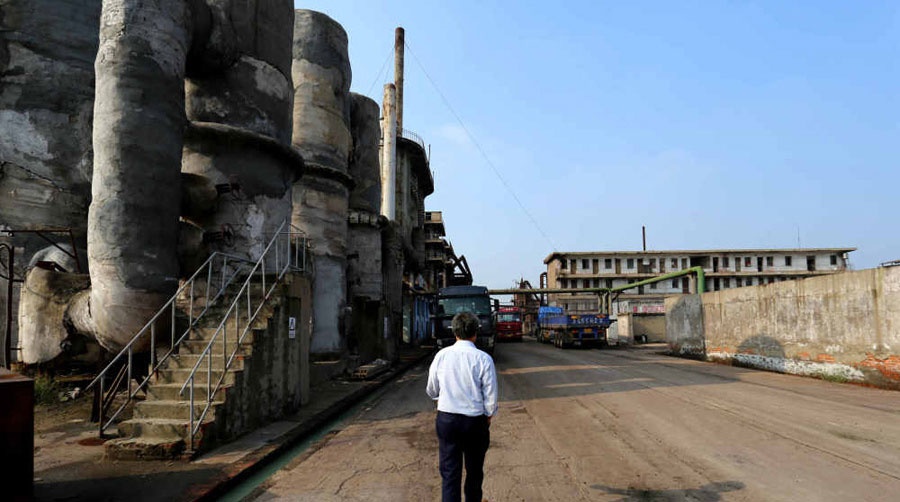
 

In the film, the old lady in the nursing home sighed in the chat, "I don’t have to leave this door until I die, there is everything here." It is the epitome of this kind of state-owned factory small society.

Supporting kindergartens, primary schools, high schools, supply and marketing cooperatives, hospitals, entertainment stations and auditoriums are all available, and everyone’s birth, illness, food, clothing, housing, transportation, education, work and entertainment are realized in this narrow geographical space.


The accents of the characters in the film from all over the world are also a major feature of the state-owned factory. Whether it is the Shaanxi dialect of the Chinese teacher or the Tangshan dialect led by the Public Security Bureau, people feel very cordial.


Many films reflecting the 1990s are also set in state-owned factories, such as Nezha the Girl, which is also a youth growth film, and The Red Suit, which directly hit the tide of laid-off workers in state-owned factories in the 1990s, and so on.
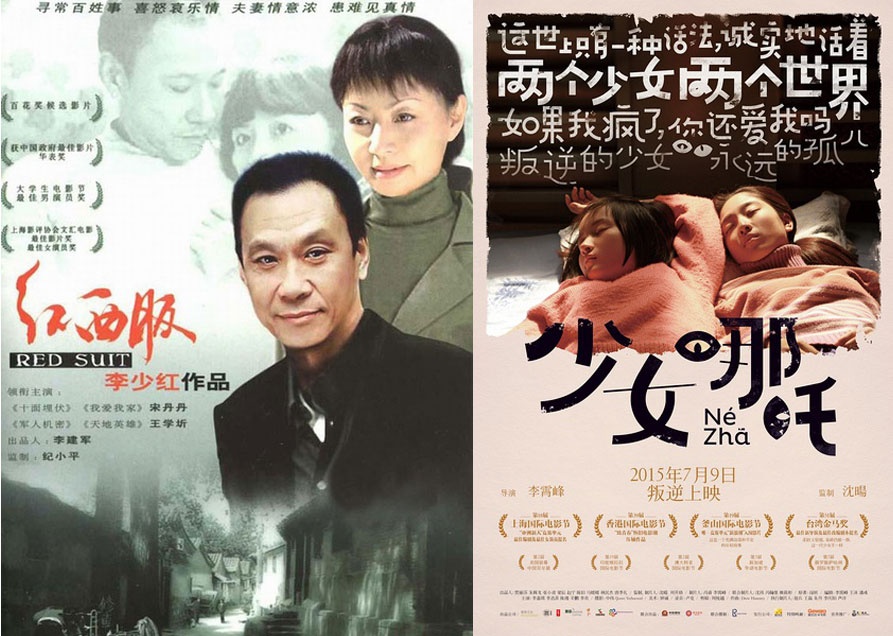
In the 1990s, China’s economy fell into a trough, and state-owned factories were laid off. For a time, social cases occurred frequently, and many major cases that shocked the whole country occurred in this special historical period. The placard of "Strike hard against criminal offences" in the film is also a special symbol of the period of "Strike hard".


Wang Yichun said frankly that the film drew lessons from many major cases that shocked the whole country at that time, such as Nie Shubin case, Huge case and so on, and he became a half-criminal expert himself. Although these cases did not really appear in her life, the fear and sense of crisis brought by news reports at that time were still fresh in her memory.


Director Wang Yichun once said that every director’s first film seems to be used to commemorate his youth. Jiang Wen is so, so is she.

Wang Yichun, born in 1977, happens to be the same age as the heroine in the film. I believe this is not just a coincidence. Although the director tried his best to restore the memory of the 1990s in detail, the biggest highlight of the film is that it is not limited to symbolic expression, but tells a story about growth and enlightenment with his heart. Let girls who have groped or are growing up in the fog find their own "90" memories.

What’s in the place? There are flowers that can’t be distinguished, passions that are eager to move, cold-blooded killer, selfishness and indifference, and clumsy and kind people who stubbornly light a small lamp for you … …
From 15: 00 to 20: 00 today, some toll stations in key sections of Hubei were released free of charge.

The free release time of some toll stations in key sections of Hubei Province has been extended to 20 o’clock today.

In view of the recent traffic slowdown caused by bad weather in some sections of Guang Bei Expressway, Erguang Expressway and Beijing-Hong Kong-Macao Expressway in Hubei Province, Hubei has implemented free release for all vehicles from some toll stations in key sections. Due to the large traffic volume, the free release time has been extended to 20 o’clock today, which also facilitates the operation of machinery and equipment for shoveling ice and removing snow on the road, and ensures the smooth return of expressway arteries as soon as possible.

At present, the traffic control measures taken by highway toll stations in Hubei Province are mainly concentrated in Wuhan, Xiaogan, Jingzhou, Huanggang, Xianning and Suizhou.

Slow roads are mainly concentrated in 9 expressways, including Xuguang Expressway, Wushen Expressway, Hurong Expressway, Erguang Expressway, Fuyin Expressway, Daihuang Expressway, Hanxiao Expressway, Sihuan Expressway and Zaoshi Expressway.

In view of some slow-moving sections, especially the section from Xiantao to Jingzhou of the Shanghai-Chongqing Expressway, the Hubei transportation department timely coordinated the local transportation departments of Jingzhou, Xiantao and Qianjiang to deploy snow removal equipment to reinforce the expressway. Seize the gap between rain and snow, increase snow removal, remote diversion and transshipment, strengthen inter-provincial cooperation, and adopt remote control and early diversion. Using "all the way and many parties" to coordinate operations, we will organize the orderly passage and transshipment services of stranded vehicles by means of police cars clearing the way, formation running at low speed and traffic personnel escorting.

Previously reported: From 15: 00 to 18: 00 today, some toll stations in key sections of Hubei were released free of charge.

In view of the recent slow traffic caused by bad weather in some sections of the G45 Guang Bei Expressway, G55 Erguang Expressway and G4 Beijing-Hong Kong-Macao Expressway in Hubei Province, according to the spirit of the dispatching meeting of the Ministry of Transport, with the consent of the Hubei Provincial People’s Government, all vehicles driven out of some toll stations in key sections will be released free of charge from 15: 00 to 18: 00 on February 5, 2024, which will also facilitate the operation of machinery and equipment for shoveling ice and removing snow on the road, and ensure the smooth operation of expressway arteries as soon as possible.

At the same time, according to the principle of "nearby, parallel and high (ordinary highway with high technical level)", the Hubei Provincial Department of Transportation has formulated and issued a detailed vehicle diversion bypass scheme, and relevant local governments and transportation departments have set up vehicle diversion service stations to ensure all services for diverted vehicles in time.

As of 14: 00 on February 5th, there were still 100 expressway toll stations in the province taking traffic control measures due to road icing, mainly in Wuhan, Xiaogan, Jingzhou, Huanggang, Xianning and Suizhou. In addition, traffic control is implemented in some sections of an existing expressway, which is K55-K51 (Xintan to Xiangkou) of the two-way Dongjinghe Bridge of S13 Wujian Expressway.

The slow-moving sections are mainly concentrated in nine expressways, including G0421 Xuguang Expressway, G0422 Wushen Expressway, G42 Hurong Expressway, G55 Erguang Expressway, G70 Fuyin Expressway, S1 Daihuang Expressway, S2 Hanxiao Expressway, S40 Sihuan Expressway and S53 Zaoshi Expressway.

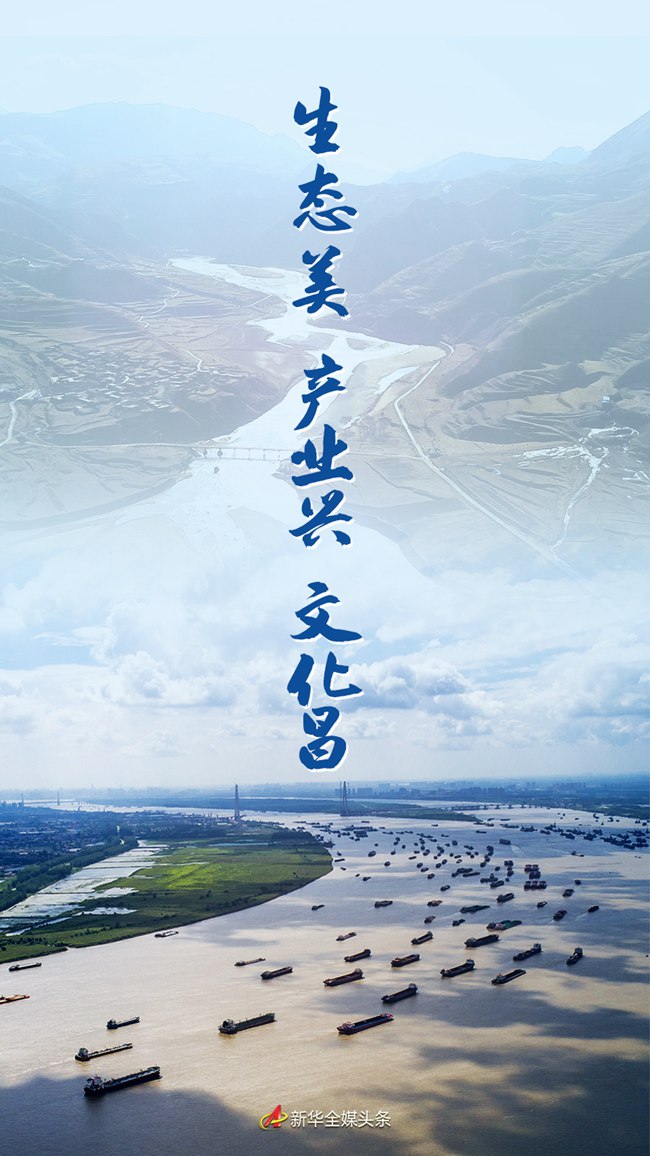
Ecological Beauty, Industrial Prosperity and Cultural Prosperity —— Experience of Ecological Priority and Green Development in the Yangtze River Economic Belt

  Xinhua News Agency, Beijing, June 9th Title: Ecological beauty, industrial prosperity and cultural prosperity — — Knowledge of Ecological Priority and Green Development in Yangtze River Economic Belt

  Xinhua news agency reporter

  Rare creatures such as the smiling angel finless porpoise have returned, the chemical plants with chimneys have been rectified, and the "dusty" sand pier has disappeared … … Stepping into midsummer, the banks of the Yangtze River have become a good place for residents along the line to relax, exercise and enjoy the cool. Strolling by the river and playing by the river, I saw the river clear and green.

  "We should grasp great protection and not engage in great development." Since 2016, in Chongqing in the upper reaches of the Yangtze River, Wuhan in the middle reaches and Nanjing in the lower reaches, the General Secretary of the Supreme Leader has held three symposiums to guide the high-quality development of the Yangtze River Economic Belt. He pointed out that "to promote the development of the Yangtze River Economic Belt, we must consider the long-term interests of the Chinese nation and take the road of ecological priority and green development".

  General Secretary of the Supreme Leader stressed during his inspection tour in Yibin City, Sichuan Province on June 8 that protecting the ecological environment of the Yangtze River Basin is a prerequisite for promoting the high-quality development of the Yangtze River Economic Belt and an inevitable requirement for protecting the cradle of Chinese civilization.

  In recent years, 11 provinces and cities in the Yangtze River Economic Belt have fully implemented the instructions of the Supreme Leader General Secretary, and a picture of beautiful ecology, prosperous industry and prosperous culture is slowly unfolding along the Yangtze River.

  "Fish is fragrant and shallow" to realize the historic transformation of river management

  "When we were doing scientific research, we ran a lot of river sections in the past and couldn’t catch the Yangtze sturgeon. Now we can catch several Yangtze sturgeons when we go down the net."

  Yao Weizhi, a professor at the Fisheries College of Southwest University who has been engaged in the research on the protection of rare fish for a long time, said excitedly that the ban on fishing in the Yangtze River and the implementation of the Yangtze River Protection Law have reduced the interference of human activities on the Yangtze River sturgeon, and the protection effect is very obvious. "This rare fish can be preserved and will not be extinct! We are looking for a site suitable for the Yangtze sturgeon to spawn, so that the Yangtze sturgeon can breed naturally. "

(Xinhua all-media headlines and graphic interaction) (1) Ecological beauty, industrial prosperity and cultural prosperity — — Knowledge of Ecological Priority and Green Development in Yangtze River Economic Belt

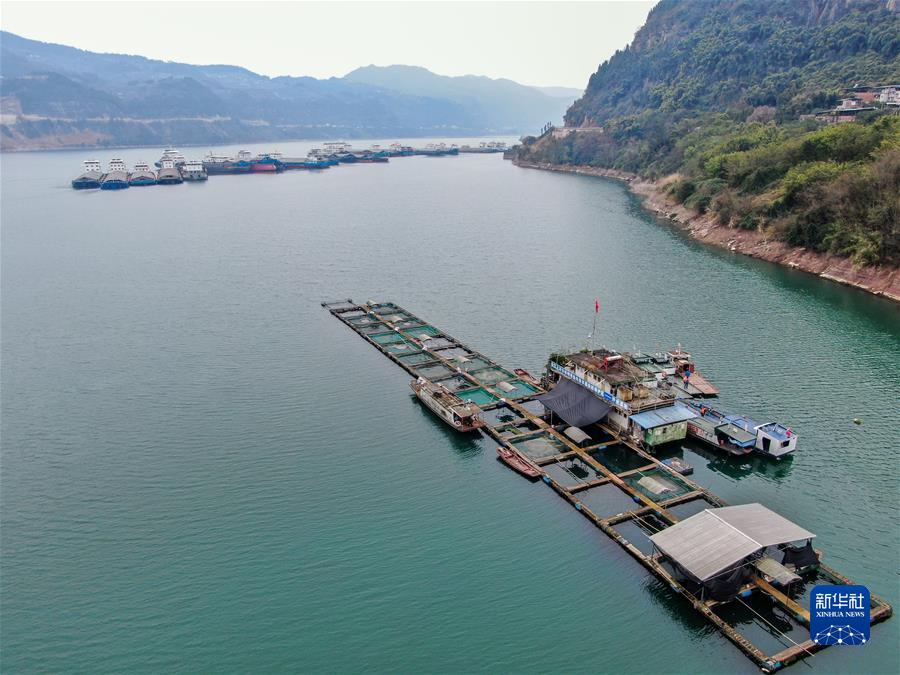
This is a rare fish domestication base (drone photo) in the Three Gorges reservoir area, which was taken on February 25th, 2022. Xinhua News Agency reporter Tang Yushe

  In the rare fish domestication base in the Three Gorges reservoir area of Wanzhou District, Chongqing, strips of Yangtze sturgeon swim in the river. The big Yangtze sturgeon is more than one meter long, and when it shakes its tail, it stirs up a lot of water. Yan Zhong, deputy director of Wanzhou Fisheries Research Institute, said that at present, the base has successfully reserved more than 100 parents of the Yangtze sturgeon, and tackled the problem of artificial propagation of the Yangtze sturgeon. It is expected to increase their population through proliferation and release.

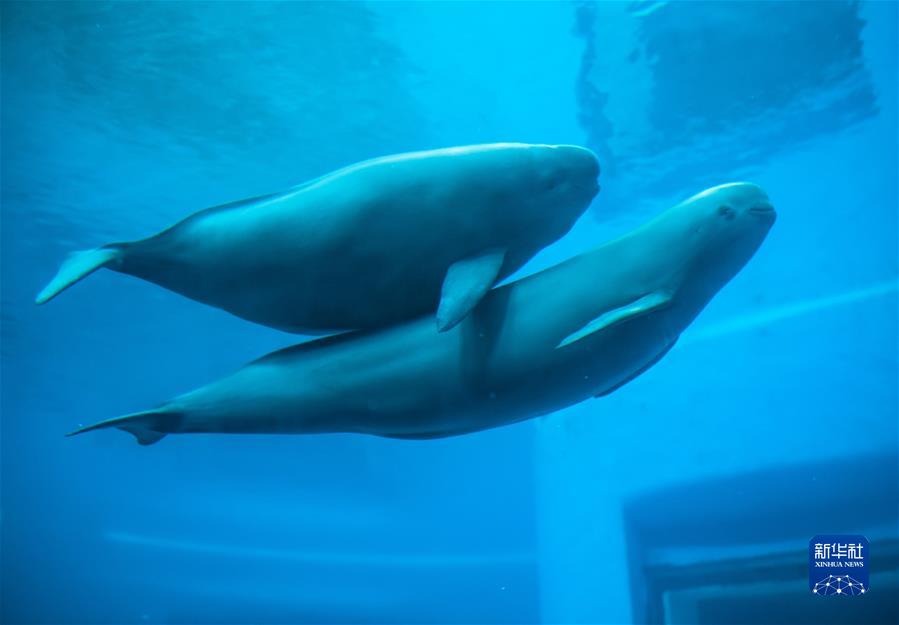
  The finless porpoise, which is also an indicator species of ecological health in the Yangtze River, is no longer hard to find. In Yueyang, Hunan, Yichang, Hubei, Maanshan, Anhui, Yangzhou, Jiangsu … … The finless porpoise, which was almost extinct in the past, has appeared frequently in recent years and has become a scene along the Yangtze River.

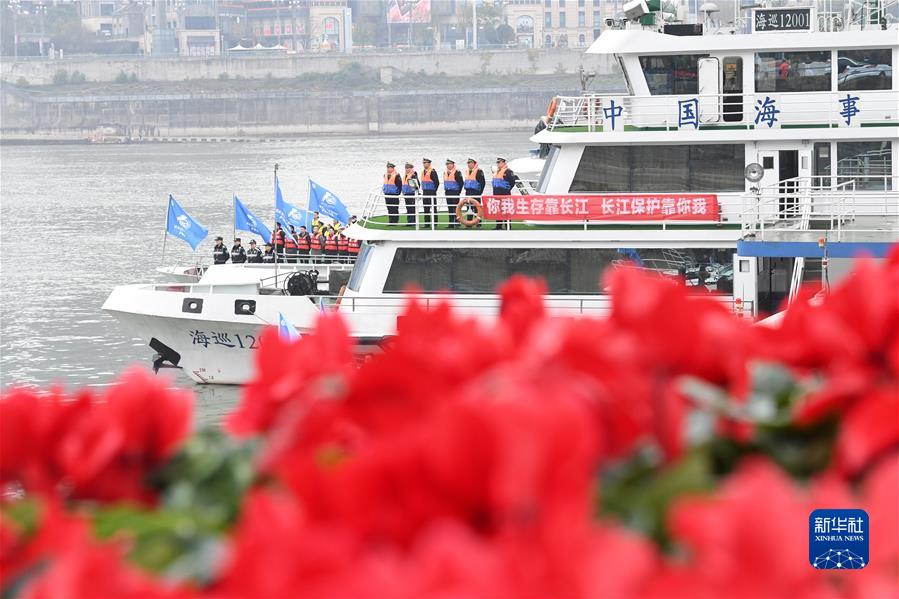
  "When patrolling the river, you can often see a group of newly born small fry, and the number is large." By the Yangtze River in Rouge Garden, Yichang City, Hubei Province, the police of the Yangtze River Shipping Public Security Bureau told reporters rigorously: "In the urban riverside area, you can often see the finless porpoise family preying and playing. The number of aquatic organisms in the Yangtze River is recovering at a speed visible to the naked eye. "

(Xinhua all-media headlines and graphic interaction) (2) Ecological beauty, industrial prosperity and cultural prosperity — — Knowledge of Ecological Priority and Green Development in Yangtze River Economic Belt

In the Institute of Hydrobiology, Chinese Academy of Sciences, Wuhan, the Yangtze finless porpoise mother and baby finless porpoise swim in the water (photo taken on July 5, 2021). Xinhua News Agency reporter Xiao Yijiu photo

  In Anqing City, Anhui Province, the finless porpoise patrol team composed of fishermen ashore is carrying out patrol work along the Yangtze River. As the patrol boat makes waves on the water surface, finless porpoises can be seen jumping out of the water from time to time. According to the relevant person in charge of Anqing Ecological Environment Bureau, the number of finless porpoises in Anqing section of the Yangtze River has risen to 180 to 200.

  "Fish Xiang shallow bottom" has become a vivid footnote for the continuous improvement of the ecological environment of the Yangtze River, and the mother river has a new look. This was unimaginable a few years ago. At that time, after a long period of development and construction, "the Yangtze River was sick, and it was not very sick."

  Under the guidance of the concept of "Great Protection, No Great Development", the Yangtze River shoreline was comprehensively improved, the chemical enterprises along the Yangtze River were changed to green transformation, the sewage outlets entering the Yangtze River were traced back to the source, and the key waters in the Yangtze River basin were closed for 10 years, and the Yangtze River Protection Law &hellip was formulated and promulgated; … The battle for ecological protection started along the Yangtze River.

(Xinhua all-media headlines and graphic interaction) (3) Ecological beauty, industrial prosperity and cultural prosperity — — Knowledge of Ecological Priority and Green Development in Yangtze River Economic Belt

The "Ten-year Fishing Ban" in key waters of the Yangtze River Basin was launched in an all-round way (Chongqing Branch) at the Law Enforcement Ship Terminal in jiangbei mouth, Chongqing (photo taken on December 31, 2020). Xinhua News Agency reporter Tang Yushe

  People don’t live up to rivers, and rivers will live up to people. According to the data of the Ministry of Ecology and Environment, after 2020, the annual average water quality of the main stream of the Yangtze River once again reached Class II in 2021, and the proportion of state-controlled sections with excellent water quality in the Yangtze River basin also increased to 97.1%, an increase of 1.2 percentage points year-on-year.

  Regional coordination leads high-quality economic development.

  "Maanshan and Nanjing are becoming more and more integrated, not only roads, urban construction and other infrastructure are integrated planning, but also industrial coordination, public services, social governance and other aspects are closer ‘ Seamless connection ’ Enterprises here are just like in Nanjing! " Yi Xinyu, head of the Maanshan project of Nanjing Tengya Industrial Group, said.

  Located in the new functional area adjacent to Ningma province at the junction of Maanshan city and Nanjing city, Tengya environmental control intelligent equipment manufacturing and industrial chain supporting projects are in full swing. This is the "second son" of Tengya Industrial Group in Maanshan, Anhui Province. It is expected to be completed by the end of the year. After the production, the annual output value will be 1.5 billion yuan and the tax revenue will be 100 million yuan.

  All adjacent areas of Maanshan and Nanjing have achieved full coverage of cross-border integrated development, and the construction of several projects has been accelerating. Huang Wei, director of the Regional Cooperation Office of the Development and Reform Commission of Maanshan City, said that the implementation of the development strategy of the Yangtze River Economic Belt not only optimized the ecological environment of Maanshan, but also prompted Maanshan to carry out upstream and downstream cooperation and continue to answer the required questions of the transformation and upgrading of manufacturing industry as an old industrial city.

  Despite the adverse effects caused by the COVID-19 epidemic, Wuhan East Lake New Technology Development Zone, known as "China’s Optical Valley", has achieved continuous growth against the trend: in the first quarter of 2022, the regional GDP was 53.86 billion yuan, up 8.1% year-on-year, and the industrial added value increased by 22.7% year-on-year & hellip; …

(Xinhua all-media headlines and graphic interaction) (6) Ecological beauty, industrial prosperity and cultural prosperity — — Knowledge of Ecological Priority and Green Development in Yangtze River Economic Belt

This is the scene of the "5G+ Industrial Internet Achievement Exhibition" filmed at China Optics Valley Science and Technology Exhibition Center in Wuhan on November 20, 2021. Xinhua News Agency (photo by Wu Zhizun)

  "This is due to the overall advantages of the synergy of the Yangtze River Economic Belt." Zhang Yongqiang, director of the Management Committee of Wuhan East Lake New Technology Development Zone, said that relying on the new advantages of innovation-driven development and its core position in the industrial chain, the current East Lake New Technology Development Zone has accelerated the development of the trillion-dollar optoelectronic information industry cluster of "light, core, screen, terminal and network" and is working with cities such as Chongqing and Hefei to create a new display industry cluster development zone.

(Xinhua all-media headlines and graphic interaction) (7) Ecological beauty, industrial prosperity and cultural prosperity — — Knowledge of Ecological Priority and Green Development in Yangtze River Economic Belt

Employees of Wuhan Xinxin Integrated Circuit Manufacturing Co., Ltd. are inspecting chip manufacturing equipment (photo taken on February 14, 2020). Xinhua News Agency reporter Wang Yuguo photo

  In Chongqing Orchard Port at the western end of the Yangtze River Golden Waterway, ro-ro ships and trains arrive one after another, and the "Belt and Road" is seamlessly connected with the Yangtze River Economic Belt.

(Xinhua all-media headlines and graphic interaction) (9) Ecological beauty, industrial prosperity and cultural prosperity — — Knowledge of Ecological Priority and Green Development in Yangtze River Economic Belt

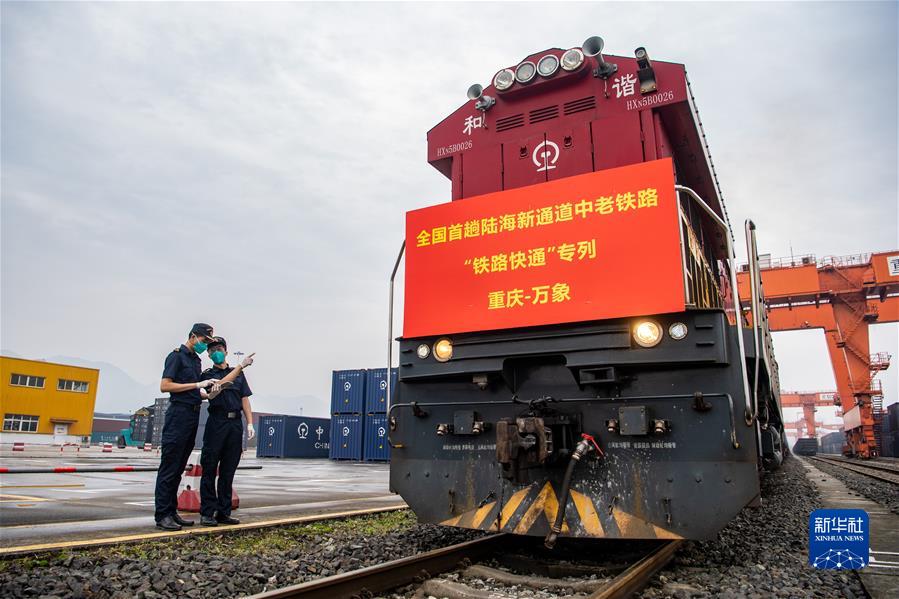
The staff of Chongqing Customs conducted an inspection before the departure of the first outbound train of "Railway Express" in China-Laos Railway, a new land-sea passage in China (photo taken on May 21, 2022). Xinhua News Agency reporter Tang Yushe

(Xinhua all-media headlines and graphic interaction) (10) Ecological beauty, industrial prosperity and cultural prosperity — — Knowledge of Ecological Priority and Green Development in Yangtze River Economic Belt

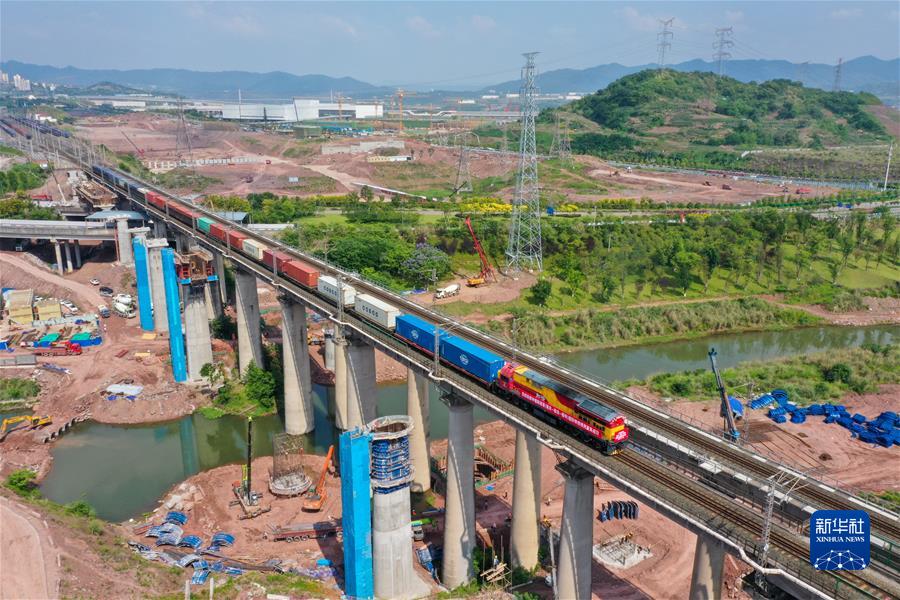
China-Myanmar new channel (Chongqing — Lincang — Myanmar) The international railway train started smoothly from Yuzui Station in Chongqing Orchard Port (photo taken on May 23, 2022, photo of drone). Xinhua News Agency reporter Tang Yushe

  "Domestic machinery and equipment, automobile and motorcycle products, electronic products, etc. are transported to Central Asia, Europe and Southeast Asia by China-Europe trains and through the new land and sea passages in the west; Foreign minerals, agricultural products, mechanical and electrical equipment, etc. arrived at Orchard Port and then distributed to the whole country along the Yangtze River. " The relevant person in charge of Chongqing Orchard Container Terminal Co., Ltd. said.

(Xinhua all-media headlines and graphic interaction) (8) Ecological beauty, industrial prosperity and cultural prosperity — — Knowledge of Ecological Priority and Green Development in Yangtze River Economic Belt

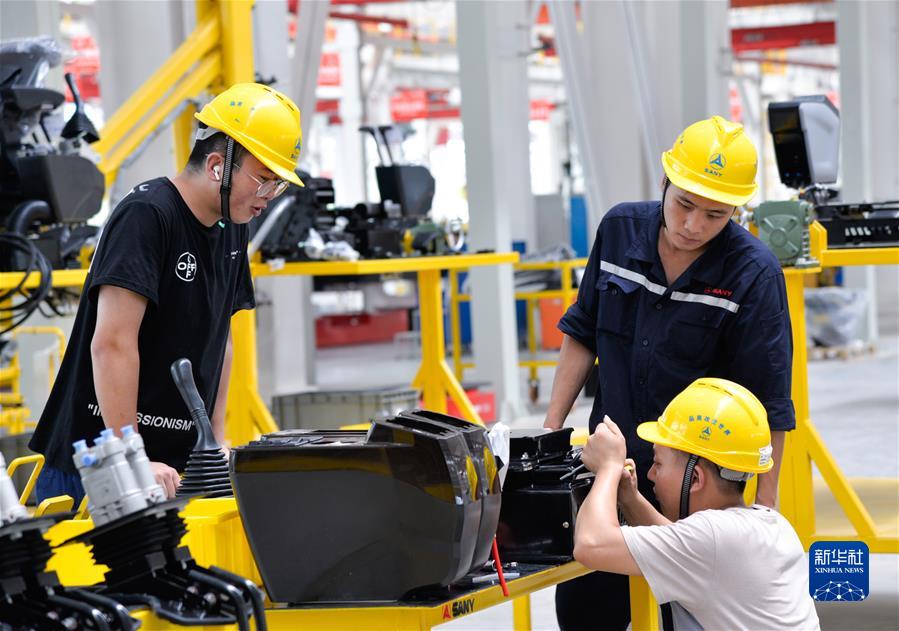
Workers work in the first intelligent "Lighthouse Factory" project in the southwest of Sany Group in Liangjiang New District, Chongqing (photo taken on July 19, 2021). Xinhua News Agency reporter Xu Qinshe

  Nowadays, Chongqing, which is at the forefront of opening up, attracts global capital and regional headquarters, and local pillar industries such as automobile, electronics and equipment manufacturing speed up the chain repair. Located in the first intelligent "lighthouse factory" in the southwest of Sany Group in Liangjiang New District of Chongqing, a large excavator can be off the assembly line in about 17 minutes. "The project settled in Chongqing, not only radiating the southwest market, but also opening up overseas markets such as Europe and Southeast Asia." The relevant person in charge of Sany Group said.

  Harmonious integration of mountains, rivers, people and cities

  During the Dragon Boat Festival holiday, after a light rain, long benches and plastic benches were placed in front of Quyuan Temple in Lepingli, Quyuan Town, Zigui County, Hubei Province, and more than 130 peasant poets sat around the tree to hold this year’s Dragon Boat Festival poetry meeting. The simplicity of the stage did not affect everyone’s interest at all. Peasant poets who took root in the soil appeared one after another, and the original singing of Chu echoed over Quyuan Temple … …

(Xinhua all-media headlines and graphic interaction) (5) Ecological beauty, industrial prosperity and cultural prosperity — — Knowledge of Ecological Priority and Green Development in Yangtze River Economic Belt

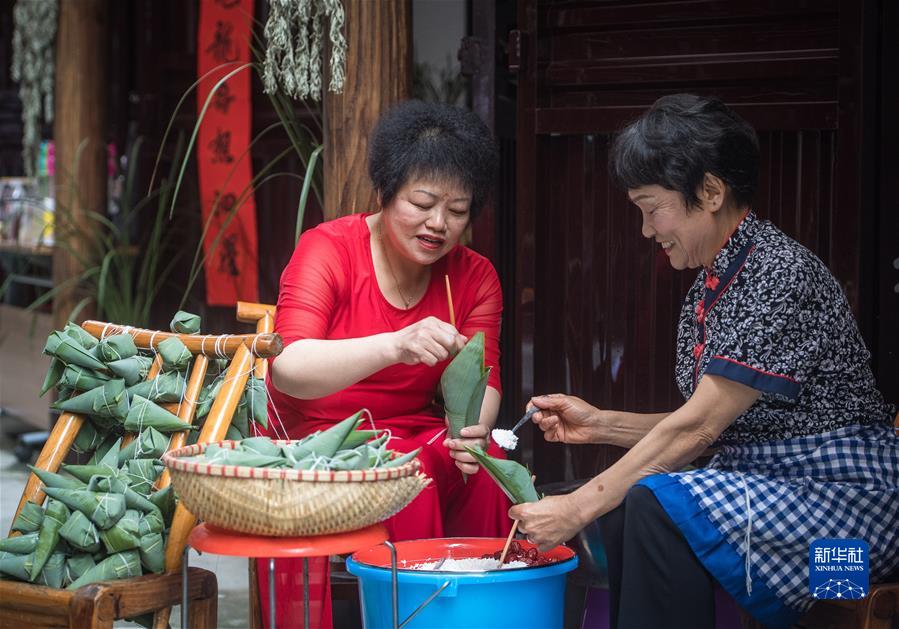
Qu Yuan’s hometown Residents in Zigui County, Yichang City, Hubei Province are making zongzi (photo taken on June 11, 2021). Xinhua News Agency reporter Xiao Yijiu photo

  Having carried sandbags, made leather shoes and entered factories, Tan Jiachen, a 47-year-old peasant poet, specially wrote two poems this year to commemorate the Dragon Boat Festival. According to him, over the years, during the Dragon Boat Festival, members of the poetry club will return to the Quyuan Temple in Lepingli to show their poems in memory of Qu Yuan with the original aria of Chu Ci.

(Xinhua all-media headlines and graphic interaction) (4) Ecological beauty, industrial prosperity and cultural prosperity — — Knowledge of Ecological Priority and Green Development in Yangtze River Economic Belt

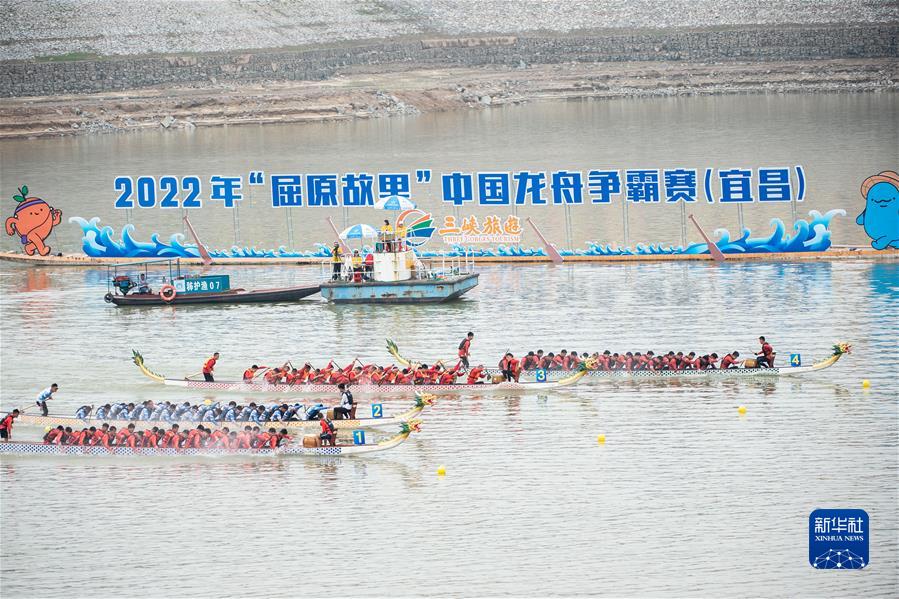
In 2022, the "hometown of Qu Yuan" China Dragon Boat Race (Yichang) was held in front of the Three Gorges Dam in Zigui County, Yichang City, Hubei Province (photo taken on June 3, 2022). Xinhua News Agency (photo by Wu Zhizun)

  As the hometown of Qu Yuan, Yichang has integrated Qu Yuan culture into the urban texture. Strolling through the streets of the city, the imprint of Qu Yuan’s culture is scattered among them.

  The river is endless and the context is endless.

  While protecting and inheriting, the creative transformation and innovative development of the cultural heritage of the Yangtze River are accelerating. From the cultural relics desserts in Hubei Museum being sought after, to the industrial sites along the Yangtze River becoming "online celebrity" punch points, and then to Huangmei Opera and other non-legacy short videos, they have repeatedly become explosions on the Internet … … The cultural resources of the Yangtze River are exerting greater social value. (Reporter Li Siyuan, Zhou Kai, Wang Haiyue, Ma Yurui)

Emil Wakin Chau, a 62-year-old, went back to his hometown in a low-key way. He was met by a high-end restaurant, and it was very heroic to help fans pay the bill.

On April 5th, according to Hong Kong media reports, the famous singer Emil Wakin Chau recently returned to Hong Kong with a low profile. When I went out to eat, I was met by fans and took a group photo.

As a matter of fact, Emil Wakin Chau is a native of Hong Kong, but he went abroad for a long time and seldom spoke Cantonese in public, so many people didn’t know that he was a local.

At the beginning of this month, he returned to his hometown and appeared in a high-end Japanese restaurant for dinner. He blushed. He may have drunk a lot. In the face of the fans’ photo request, he readily agreed, only to see that he was cuter than scissors in front of the camera, smiling and in a good mood.

On the same day, Emil Wakin Chau dressed in a black suit jacket and a T-shirt of the same color, with jeans at the bottom, dressed casually. At the age of 62, he is well maintained, his hair is still dark and thick, and his figure is not fat. He looks much younger than his age.

According to fans, Emil Wakin Chau paid the bill himself. I have to say that he is so friendly to fans, no wonder he has been loved by everyone for so many years.

Emil Wakin Chau made her debut in the 1980s. With excellent singing skills and good creative strength, he quickly became popular, and successively sang many golden songs such as "Let me be happy and let me worry" 755-7900 "I will marry you tomorrow".

After he became popular, there must be many opposite sex around him, but he always loved his girlfriend Kang. Before he became famous, he knew Kang, and the other party appreciated his talent and spent the most difficult days with him, so he was always grateful.

A few years after her debut, she married Kang, and they got married and gave birth to a pair of mixed-race children. Nowadays, children have grown up.

Daughter inherited his musical talent and sang beautifully. It’s a pity that little sister has no interest in the entertainment circle. In recent years, she moved abroad, lived a very low-key life and rarely made public appearances.

His son Zhou Houan likes acting very much. After graduating from the drama department, he officially joined the film and television industry. However, his westernized appearance hindered his development. He hasn’t been to the theater for many years.

Even though the road ahead was boundless, he never thought of giving up and remained conscientious. In February, he participated in an opera and shared his photos on social networks. His unique style caused a heated discussion.

Zhou Houan looks very mature with long hair and beard. As a matter of fact, he is born after 90, and now he is only 32 years old.

Since he entered the business, he has often been laughed at and become too anxious. Many people advised him to shave off his beard, but he ignored it and still kept himself and had a lot of personality.

When his son was spit out, Emil Wakin Chau was not only angry, but also joked about it. He tried to shout "Dad" with his son’s photo, and the scene was very funny.